
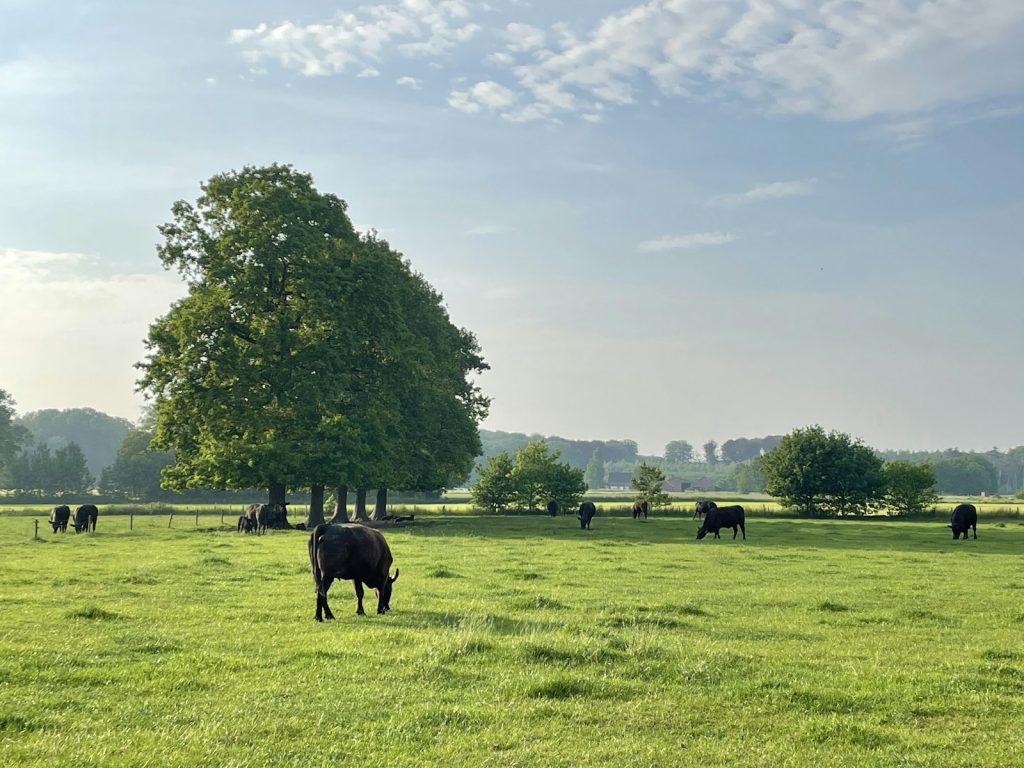

America is in the middle of a protein obsession — and it’s rewriting the map of the U.S. dairy industry. High-protein foods, from Greek yogurt to whey powder to “protein” versions of everything from pasta to ice cream, have driven a $11 billion wave of new dairy-processing investment across 19 states through 2028. But that money is flowing almost entirely to Texas, the Midwest and the West, while dairy states like Vermont are watching processing plants close. This is the story of who’s winning, who’s losing, and what it means for your grocery bill.
Key Takeaways
- U.S. per-capita dairy consumption has risen roughly 60% from 2010 to 2024, driven largely by demand for protein — powder, yogurt and whey-based products (Source: USDA data, cited by AP/VTDigger).
- Dairy processors are investing $11 billion across 19 states through 2028 to build capacity for protein products, according to the International Dairy Foods Association — but none of that investment is landing in New England.
- Vermont has lost three dairy processing plants in two months, including a Dairy Farmers of America facility that employed about 80 people, as the state’s high costs and aging infrastructure make it uncompetitive against newer plants in Texas and the Midwest.
- Vermont dairy farmers lose an average of $8.65 per 100 pounds of milk produced, compared with a $2.49 profit for California farmers — a gap driven by overhead, transport surcharges and regulatory costs.
- The broader protein craze predates this investment wave: it has been building for several years alongside GLP-1 weight-loss drug use, high-protein social media trends and gym culture, and is now showing up as concrete factory investment decisions.
Why the Protein Obsession Matters
Consumer taste shifts don’t usually show up as billion-dollar factory relocations. This one has. When enough Americans start asking for high-protein versions of ordinary foods, entire supply chains move to meet them — and the places that can’t keep up get left behind. Vermont’s dairy crisis is a live example of how a consumer trend on TikTok and in gym locker rooms turns into real job losses in one state and real capital investment in another, within the same industry, in the same country, at the same time.
The Numbers Behind the Craze
The clearest evidence of the boom is where the money is going. According to the International Dairy Foods Association, dairy processors have committed $11 billion to new capacity across 19 states through 2028, largely to produce whey protein, powders and high-protein dairy products that are now in mass demand. Of 66 new or recently opened dairy processing plants funded by that wave, none are in New England — most are concentrated in Texas and the Midwest, where land is cheaper and new facilities cost far less to build than retrofitting old Northeastern plants (Source: AP/VTDigger, citing IDFA and USDA data, July 13, 2026).
Vermont has felt the downside directly. Dairy Farmers of America, the country’s largest farmer-owned dairy cooperative, announced it will idle its St. Albans, Vermont milk processing plant and adjoining creamery in August, cutting roughly 80 jobs. That followed the closure of HP Hood’s Booth Bros. plant in Barre in April and an announcement from Franklin Foods that it would shutter its Franklin County plant.
A Perrigo infant formula facility that also relies on dairy separately announced its own closure, affecting more than 400 workers. DFA’s own data shows Vermont milk production has stayed flat while national demand for protein has risen — and the cooperative is simultaneously investing in new capacity in Michigan to produce whey protein powder, exactly the kind of plant Vermont didn’t get.
The cost gap explains why. A VTDigger analysis of USDA data found Vermont dairy farms lose $8.65 for every 100 pounds of milk produced, the worst margin of 19 states studied, while California farms turn a $2.49 profit on the same volume. One Vermont farmer cited overhead costs as high as $72,000 a month, with state-specific burdens like transportation surcharges tied to poor road quality adding further strain that farms in Texas or the Midwest simply don’t face.
Business Impact: Winners and Losers
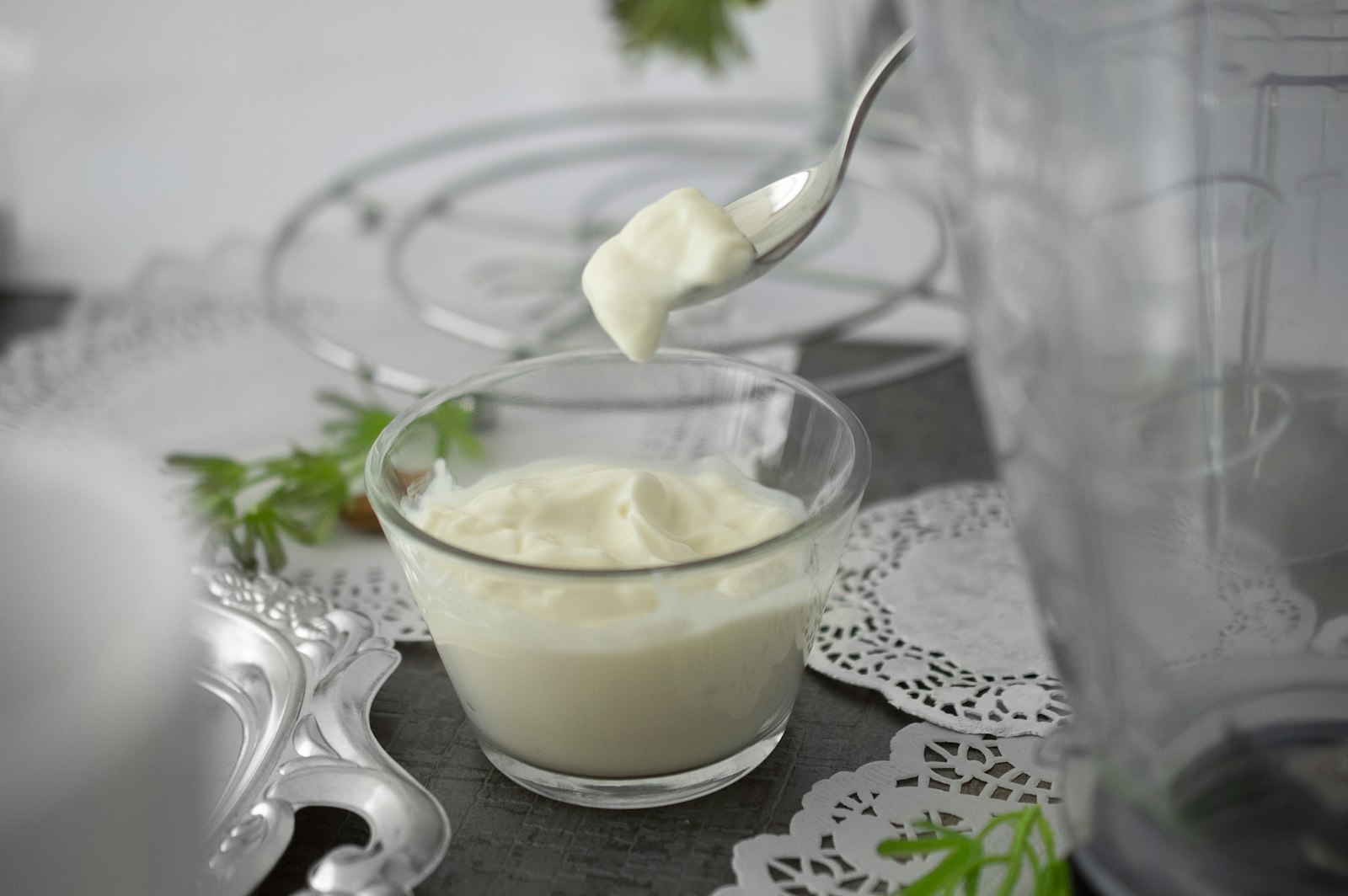
Winners: Dairy processors and cooperatives building new capacity in Texas, the Midwest and the West, where construction and operating costs are lower and new whey and powder facilities can be built at scale. Protein-forward consumer brands — high-protein yogurt, cottage cheese, powders and fortified snacks — are riding demand that has outpaced supply for several years. Investors and companies positioned in whey specifically are benefiting from an ingredient that was once a byproduct of cheesemaking and is now premium in its own right.
Losers: Small and midsize dairy farms in high-cost states, particularly in New England, where aging infrastructure, transport costs and regulatory compliance make new investment uneconomical. Displaced plant workers — roughly 80 in St. Albans alone, with hundreds more affected across Vermont’s recent plant closures — face job losses in rural communities with few comparable employers. Vermont’s tourism and agricultural-heritage brand is also indirectly exposed, since the state’s image is tied to visible dairy farms and pastureland that could shrink further as consolidation continues.
Consumer Impact: What It Means for Your Grocery Bill
For consumers, the trend mostly shows up as more product choice: more high-protein labels, more fortified snacks, more premium-priced versions of everyday foods marketed around protein content. In the near term, that shift is unlikely to reverse — demand has proven durable enough to justify a multi-year, multibillion-dollar capital cycle rather than a short-lived fad.
Regionally, however, milk and dairy prices in the Northeast could face upward pressure over time if local production capacity keeps shrinking and processors have to transport raw milk farther to reach plants in other states, a cost that typically gets passed down the supply chain. Consumers in areas served by the new Texas and Midwest capacity may see more stable pricing on these products as supply catches up with demand.
What’s Really Driving the Craze
The dairy industry’s investment shift is downstream of a broader consumer behavior change that has been building for several years: rising use of GLP-1 weight-loss medications has pushed millions of consumers to prioritize protein intake to preserve muscle mass while losing weight.
Fitness and gym culture, amplified heavily on TikTok and Instagram — the same platform dynamics that drive the most viral consumer trends — has normalized tracking daily macros the way people once tracked calories; food brands have responded by fortifying everything from pasta and cereal to coffee creamer and ice cream with extra fortification.
Cottage cheese, once a declining category, has seen a well-documented consumer revival for the same reason. Dairy — as a naturally protein-dense category — has been a direct beneficiary of all of it, which is exactly why processors are willing to spend $11 billion chasing the trend.
Predictions: Where the Protein Boom Goes Next
The following are analyst estimates based on current trends, not confirmed outcomes.
- Next 12 months: Expect continued dairy plant announcements concentrated in Texas, the Midwest and other lower-cost states, with little to no new capacity announced in the Northeast.
- 1-3 years: Further consolidation among small dairy farms in high-cost states is likely, with federal legislation (such as the bill introduced by Vermont’s senators to help small and midsize farms manage supply and demand) representing a possible but uncertain offset.
- 3+ years: If demand remains durable rather than fading as a trend, expect food brands outside dairy — plant-based alternatives, meat snacks, fortified beverages — to compete more directly for the same consumer spending, potentially cooling dairy’s share of the boom over time.
Frequently Asked Questions
Why is protein suddenly such a big consumer trend?
A combination of GLP-1 weight-loss drug use (which requires higher protein intake to preserve muscle), fitness and gym culture amplified on social media, and food brands fortifying everyday products with added protein have combined to push per-capita dairy consumption up roughly 60% since 2010.
Why is Vermont losing dairy plants if demand for dairy protein is rising?
Vermont’s dairy farms lose more money per 100 pounds of milk than any of the 18 other states studied by VTDigger, due to high overhead, aging infrastructure and state-specific transport costs — making it cheaper for processors to build new protein-focused plants in Texas or the Midwest instead.
Will dairy and milk prices go up because of this?
Analysts have not confirmed a direct nationwide price effect yet, but regional price pressure in the Northeast is a reasonable risk if local processing capacity keeps shrinking and milk has to be hauled farther to reach plants in other states.
Is the protein trend expected to fade?
There’s no verified evidence of the trend fading; the fact that processors are committing $11 billion over several years suggests the industry expects sustained rather than temporary demand.
Sources
Struggling Vermont dairy industry isn’t cashing in on protein craze — Associated Press / VTDigger, updated July 13, 2026. Confidence: High — sourced to USDA data, International Dairy Foods Association figures, and on-record interviews with Vermont farmers, cooperative representatives and state officials.



Pingback: Garlic Powder Recall 2026: Heavenly Spices Pulled Nationwide Over Bacteria Fears - The Viral Minute