
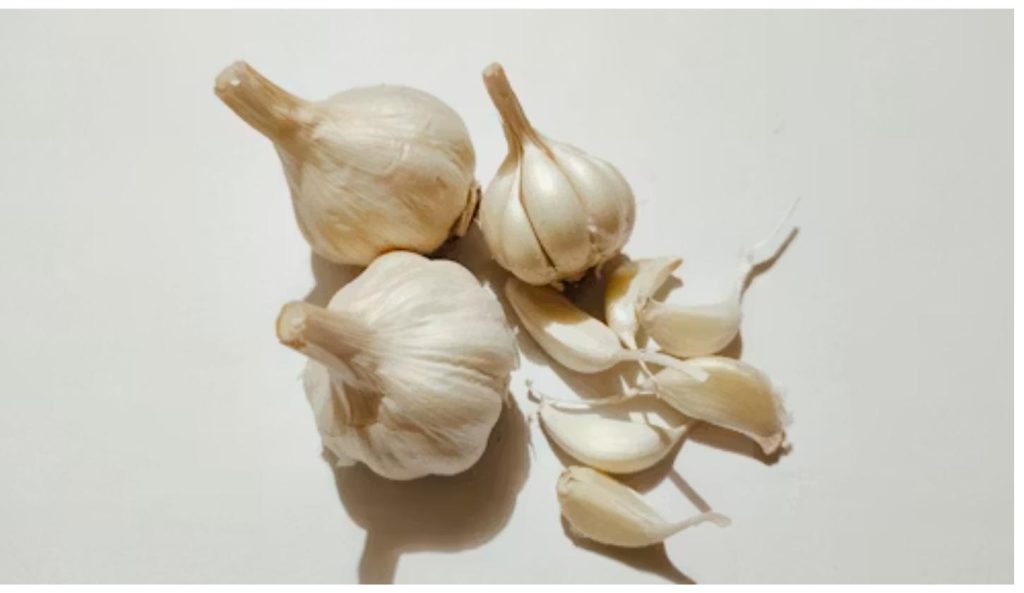

A single jar of seasoning sitting in kitchens across Canada just triggered a nationwide food safety scare. Health officials confirmed this week that a popular pantry staple was pulled from store shelves after lab testing uncovered bacteria capable of causing serious digestive illness. Here is exactly what happened in the garlic powder recall, who is affected, and what you should do if that jar is sitting in your own cabinet right now.
What Happened With the Garlic Powder Recall?
The Canadian Food Inspection Agency announced that Heavenly Spices brand Garlic Powder is being recalled from the marketplace after routine testing revealed contamination with Bacillus cereus, a bacterium linked to nausea, vomiting, abdominal cramps and diarrhea. The notice was last updated on July 15, 2026, and instructs consumers not to use, sell, serve or distribute the affected product under any circumstances.
The recall covers 70-gram containers sold under a single UPC code, with a best-before date of January 30, 2029, stamped on the jar alongside a specific lot code. Officials classified distribution as national, meaning the product reached retail shelves and online orders in every province rather than a single regional supply chain.
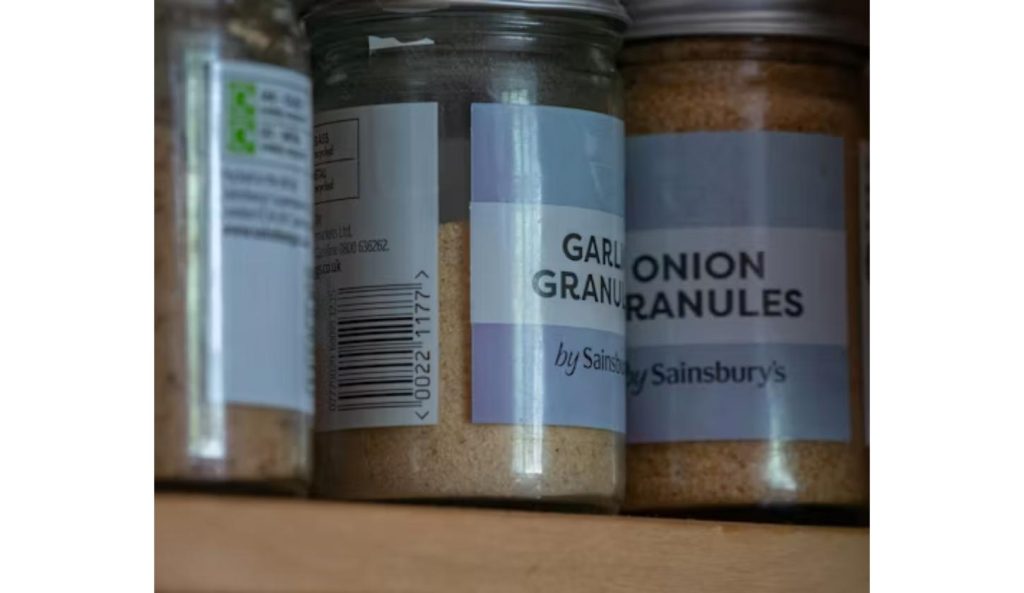
Why Bacillus Cereus Is Dangerous in Garlic Powder
Bacillus cereus is a bacterium naturally found in soil, and it can survive in dried ingredients like spices because it forms tough, heat-resistant spores. Those spores can persist through cooking and germinate later if food is left at room temperature, which is exactly how the bug earned its nickname of causing “fried rice syndrome” when reheated grains are left out too long.
The bacterium produces two different toxins depending on the strain, leading to two distinct illness patterns. One causes vomiting within one to five hours of exposure, while the other causes diarrhea and cramping eight to sixteen hours later. Most healthy adults recover within a day without treatment, but young children, older adults and anyone with a weakened immune system face a higher risk of complications.
Which Products Are Affected by the Garlic Powder Recall
Only one specific product line is named in the notice: Heavenly Spices brand Garlic Powder, sold in 70-gram jars. The affected containers carry a best-before date of January 30, 2029, printed alongside a lot code beginning with GP. If your jar does not match that exact size, brand and date combination, it falls outside the current recall, though it is always worth double-checking labels against the official listing before assuming a product is safe.
Where the Recalled Garlic Powder Was Sold
Distribution was national, and the seasoning reached shoppers through both physical retail locations and online orders. Dollar and discount stores were among the retail channels named in early news coverage, which helps explain how quickly the story spread once shoppers began checking their own pantries against the description.
What To Do If You Bought the Recalled Garlic Powder
Stop using the product immediately and do not serve, sell or give it away. Check the size, brand and best-before date against the official notice, then either discard the jar or return it to the store where it was purchased. If you already cooked with the seasoning and develop nausea, vomiting or diarrhea, most cases clear up on their own within a day, but you should contact a doctor if symptoms are severe, last longer than 48 hours, or involve a young child, an older adult or someone who is pregnant or immunocompromised.
How a Pantry Story Like This Goes Viral So Fast
A recall notice about a jar of seasoning does not sound like the kind of thing that dominates social feeds, yet stories like this one routinely do, because they touch something every household actually uses. That pattern lines up with how viral trends actually spread more broadly: the more ordinary and universal an object is, the faster people share a warning about it. This recall arrived the same week other consumer habits made headlines, including the shift in grocery aisles driven by the protein craze reshaping the dairy industry, showing just how closely shoppers are watching what ends up in their carts right now.
For a wider look at everything else making news this week, this recall was one of several stories rounded up in our latest developing coverage.
How to Protect Your Pantry From Future Recalls
Keep an eye on official recall listings rather than relying only on social media, since government notices include the exact UPC codes, lot numbers and best-before dates you need to check a product with certainty. Avoid decanting spices into unlabeled containers so you can always trace a product back to its original packaging, and consider signing up for email alerts from your national food safety agency so new notices land directly in your inbox instead of surfacing days later online.
How This Garlic Powder Recall Compares to Past Spice Recalls
Spice recalls tend to fly under the radar compared to recalls involving fresh produce or meat, yet they carry real risk because dried seasonings get sprinkled into meals without any further cooking step that might otherwise reduce bacteria levels. This garlic powder recall follows a familiar pattern seen in past spice-related recalls: a routine inspection catches contamination long before any illnesses are formally linked back to the product, which is exactly why health agencies urge quick action rather than waiting for confirmed reports of sickness.
What makes this particular garlic powder recall notable is the scale of distribution paired with a shelf-stable product that many households keep for months or even years without checking labels again. That combination is precisely why officials are asking consumers to act now instead of waiting until the jar is empty.
Frequently Asked Questions About the Garlic Powder Recall
What brand of garlic powder is being recalled?
Heavenly Spices brand Garlic Powder, sold in 70-gram jars, is the only product named in the current notice.
What bacteria caused the garlic powder recall?
Testing found Bacillus cereus, a bacterium that produces toxins responsible for vomiting and diarrheal illness.
What are the symptoms of Bacillus cereus poisoning?
Common symptoms include nausea, vomiting, abdominal cramping and diarrhea, typically starting within a few hours of exposure and resolving within a day.
Where was the recalled garlic powder sold?
The product was distributed nationally, reaching retail stores and online orders across the country rather than a single region.
What size containers are affected by the recall?
Only 70-gram jars carrying the specific UPC and lot code listed in the official notice are affected.
What is the best-before date on the recalled jars?
Affected jars are stamped with a best-before date of January 30, 2029.
What should I do if I already used the recalled garlic powder?
Watch for symptoms over the next day or two. Most cases resolve on their own, but seek medical care if symptoms are severe, persistent, or affect a young child, an older adult or someone who is immunocompromised.
Where can I check official recall notices myself?
The Canadian Food Inspection Agency publishes every active notice, including exact UPC codes and lot numbers, on its public recalls and safety alerts page.
Has anyone gotten sick from the garlic powder recall?
No confirmed illnesses had been publicly linked to this garlic powder recall at the time the notice was issued. Recalls are frequently announced as a precaution once contamination is detected in testing, rather than after people report getting sick.
How was this garlic powder recall discovered?
The contamination was identified through routine product testing conducted as part of standard food safety oversight, which is how most bacterial contamination in packaged spices gets caught before it reaches a wide number of consumers.


Pingback: Burger King Whopper Guarantee: How to Get a Free Burger If Your Order Is Wrong - The Viral Minute