
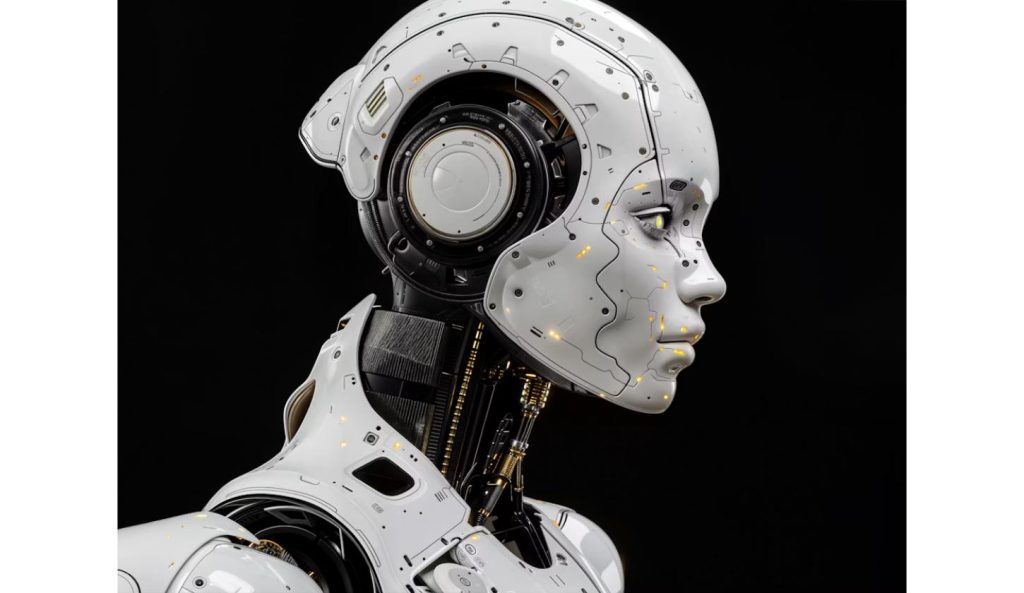

If it feels like humanoid robots suddenly took over your feed this week, you are not imagining it. In the span of a few days, China alone produced three separate viral robot stories: a mass-produced companion robot for sale to regular households, a full-contact robot fighting tournament where a competitor lost its head mid-match and kept swinging, and a brain-controlled robot platform that lets a person move a machine using nothing but their thoughts. Here is what actually happened, why it matters, and why humanoid robots are suddenly everywhere at once.
The $17,000 Companion Robot That Just Went on Sale
China’s Ubtech has begun selling what it calls the world’s first full-size, mass-produced companion robot. The Uworld U1 lineup comes in three versions: a semi-torso Lite model, a full-body Pro, and a high-dynamic Ultra, priced from roughly $17,655 up to $145,717 depending on configuration. Ubtech says the robots can mimic up to 90% of human movement using 88 servo joints, display around 300 micro-expressions, and blink through silicone skin designed to look and feel human. The company reported more than 13,000 orders on launch day, though many came from showrooms and government programs rather than everyday households.
A Robot Fight Ended in Decapitation, and It Kept Fighting
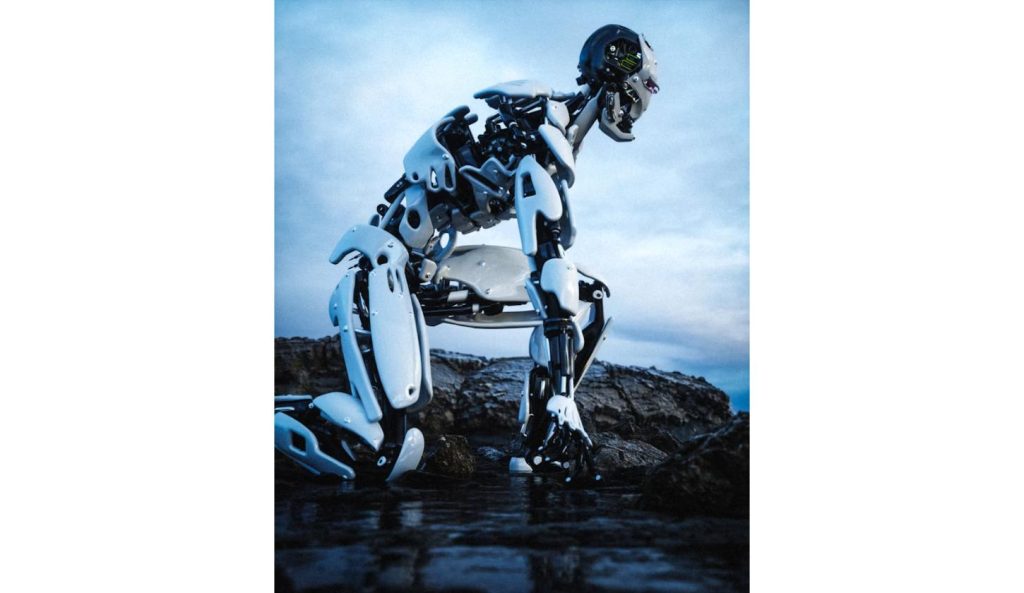
On July 16, Chinese robotics company EngineAI hosted what organizers billed as the world’s first full-contact fighting tournament for full-sized humanoid robots, held in Shenzhen and reportedly drawing more than 200 competing teams. The event, nicknamed the Ultimate Robot Knockout Legend, showcased EngineAI’s combat-ready T800 robot along with entrants from rival teams. The clip that went viral showed one robot losing its head mid-bout, only to keep throwing punches and kicks with its body while the head dangled loose. Commentators online were split between calling it hilarious and calling it an unsettling preview of where robot combat sports might be headed next.
Now You Can Control a Robot With Your Thoughts
The third headline came from BrainCo, a Hangzhou-based brain-computer interface company that unveiled what it calls the first integrated brain-to-robot platform at the World AI Conference. The system works in three steps: a non-invasive EEG headset picks up the wearer’s brain signals, AI algorithms decode the intended action, and the platform relays that command to a humanoid robot or robotic arm. No implant or surgery is required. It is aimed at applications like assistive devices for people with mobility impairments, but the demo videos of someone silently willing a robot to move understandably went viral on their own.

Why All of This Is Happening in China Right Now
None of this is a coincidence. China has spent years positioning itself as the world’s leader in humanoid robot manufacturing, and its government has openly targeted mass production of humanoid robots as a strategic industry, partly to address an aging population and shrinking workforce. The same physical AI push that is driving next-generation chip platforms is what makes these robots capable of balance, movement, and real-time reaction at all, and companies racing to commercialize humanoid hardware are leaning hard on the underlying AI models that give the robots their reflexes and decision-making.
Should You Actually Be Worried About Humanoid Robots?
Not yet, and probably not for a while. The companion robots still take tens of seconds to respond in conversation, the fighting robots move more like clumsy stunt performers than terminators, and brain-controlled robotics is still an early assistive tool rather than a mainstream product. That said, the pace of progress is genuinely fast, and a lot of the footage circulating online is edited or staged for maximum virality, so it is worth treating dramatic robot clips with the same skepticism you would apply to any other AI-generated content before assuming they represent finished, reliable technology.
The Bottom Line
Humanoid robots did not suddenly become perfect this week, but they did become impossible to ignore. Between a companion robot you can actually buy, a fighting tournament that produced one of the strangest viral clips of the year, and a working brain-to-robot control system, the distance between science fiction and your news feed just got noticeably shorter. For a closer look at how the companion robot performed in its own launch demos, New Atlas’s full breakdown is worth reading.
Frequently Asked Questions About Humanoid Robots
What exactly is a humanoid robot?
A humanoid robot is a machine built to resemble and move like a human body, typically with a head, torso, two arms, and two legs, and often a face capable of expressions. The goal is to let humanoid robots operate in spaces designed for people, like homes, offices, and factory floors, without needing to redesign the environment around them.
Are humanoid robots dangerous?
The robots making headlines this week were not designed to be weapons. The Ubtech companion robot is built for domestic tasks, the EngineAI combat robot was purpose-built for a controlled sporting event, and BrainCo’s platform is aimed at assistive technology. That said, any machine strong enough to move like a person carries some physical risk, which is why most current humanoid robots still operate under close supervision.
When will humanoid robots be common in everyday life?
Ubtech’s U1 launch suggests commercially available humanoid robots are already reaching willing buyers in China, though widespread household adoption in most other countries is still likely years away. Cost, safety certification, and battery life all remain hurdles before humanoid robots become as common as smartphones or laptops.
Why is China leading in humanoid robot development?
China’s government has treated humanoid robotics as a strategic manufacturing priority, pouring investment into companies like Ubtech and EngineAI while also building the supply chains needed to mass produce servos, actuators, and sensors cheaply. That industrial backing, combined with an aging workforce that creates real demand for labor-replacing machines, has made China a hub for humanoid robot production.
Could brain-controlled humanoid robots replace keyboards and remote controls someday?
BrainCo’s platform is aimed first at assistive use cases, not mainstream computing, but the underlying idea, controlling humanoid robots with intention alone, is exactly the kind of technology that tends to expand beyond its original purpose once it becomes cheaper and more reliable.
How much do humanoid robots cost right now?
Pricing varies enormously depending on capability. Ubtech’s new lineup of humanoid robots ranges from roughly $17,000 for a semi-torso Lite model to more than $145,000 for the full-body Ultra version with the most lifelike movement and expression. Combat-ready humanoid robots like EngineAI’s T800 are not sold to consumers at all, since they are built for research and competition rather than retail purchase. Prices are expected to fall over the next few years as more manufacturers enter the humanoid robot market and production scales up.
What jobs could humanoid robots take over first?
Most analysts expect humanoid robots to reach repetitive, physically demanding roles first, including warehouse picking, factory assembly, and elder care support, before they take on more complex jobs that require judgment. Companion-style humanoid robots like the Uworld U1 are being marketed for household assistance and caregiving, which suggests manufacturers see domestic labor as one of the earliest real markets rather than a distant sci-fi promise.
Are any humanoid robots available to buy in the United States yet?
Not in the same way. Ubtech’s companion humanoid robots are currently being sold primarily through Chinese retail and government channels, and most of the early 13,000-plus orders came from showrooms, schools, and local government demonstrations rather than individual households abroad. American and European buyers are more likely to encounter humanoid robots first through industrial pilots at logistics and manufacturing companies, which have been quietly testing humanoid robots on warehouse floors for the past two years. A consumer version reaching Western retail shelves at a mass-market price is still probably several product cycles away.
What should I actually take away from this week’s humanoid robot news?
The biggest takeaway is speed. A year ago, humanoid robots were mostly demo-stage curiosities shown off in tightly controlled videos. This week alone produced a humanoid robot you can put a deposit on, a humanoid robot that survived losing its head on camera, and a humanoid robot control system that skips hand controllers entirely. None of that means humanoid robots are perfected, but it does mean the technology is moving from research labs into showrooms, arenas, and demo stages faster than most people expected even twelve months ago.
How do humanoid robots actually balance and walk?
Modern humanoid robots rely on a dense network of sensors, including gyroscopes, accelerometers, and force sensors in the feet, feeding data into onboard AI models many times per second. Ubtech’s U1, for example, packs 88 servo joints into its body to allow the kind of fine-grained movement needed for natural-looking gestures and stable walking. EngineAI’s combat robots take this further, since a fighting humanoid robot needs to absorb impacts and recover balance instantly or risk falling over mid-match, which is exactly what made the viral decapitation clip so notable: the robot kept its footing and kept swinging even after losing its head.
Is this the first time a robot has competed in combat sports?
Small robot combat competitions have existed for years in the form of remote-controlled battle bots, but those machines were closer to armored vehicles than humanoid robots. The Shenzhen tournament billed itself as the first full-contact fighting event built specifically around full-sized humanoid robots that move, balance, and strike using human-like limbs rather than wheels, treads, or spinning blades, which is part of why the clip of a headless humanoid robot continuing to fight spread so quickly across social media.



Pingback: Top 10 Stories Shaping the World Right Now (July 24, 2026)