


The top 10 stories shaping the world right now stretch from new tariffs and a $100 oil price to a stalled Saudi nuclear deal and a possible $10 billion AI acquisition.
Here is a clear rundown of what actually happened in each story today and why it matters for the days ahead.
Table of Contents
Trump’s Sweeping New Tariffs Hit 60 Trading Partners
One of today’s top 10 stories shaping the world starts in Washington. The Trump administration imposed new tariffs of 10% to 12.5% on roughly 60 trading partners, including the European Union, the UK, China, Japan, Canada, and India.
The U.S. Trade Representative’s office said the duties punish countries for failing to enforce bans on goods made with forced labor. The new rates took effect Friday morning, replacing a temporary 10% global tariff that had just expired.
Oil Surges Past $100 a Barrel as Houthi Attacks Escalate
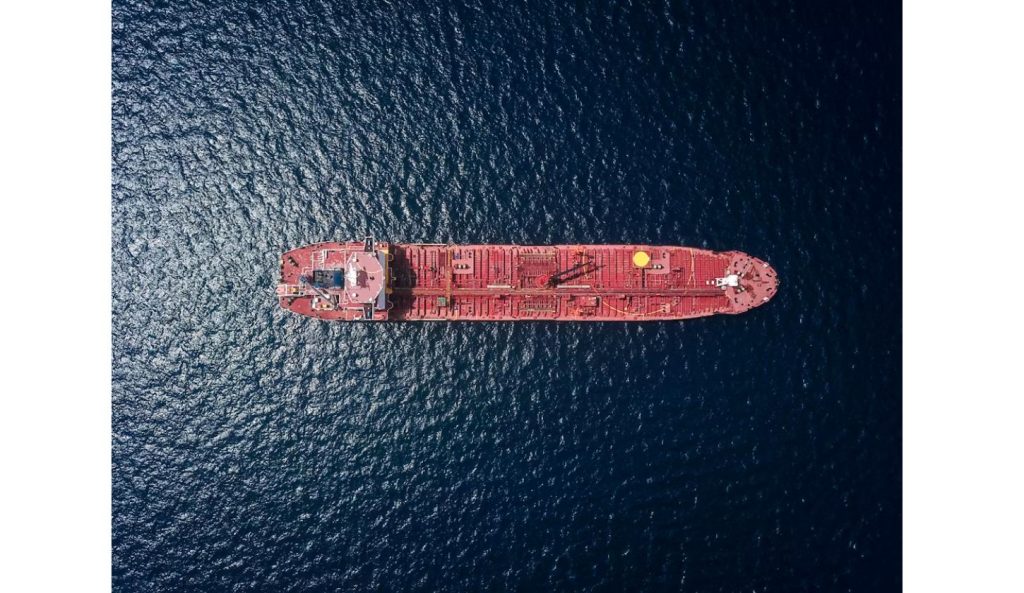
Energy markets are also among the top 10 stories shaping the world this week. Oil prices settled above $100 a barrel for the first time since May after Yemen’s Houthi movement said it struck two Saudi oil tankers in the Red Sea.
President Trump vowed serious consequences for Iran over the attacks. The fifth straight day of rising prices reflects growing fear that shipping lanes near Saudi Arabia could be disrupted further.
The US-Saudi Nuclear Deal Hits a New Snag Over Israel
A day after signing, one of the more unsettled top 10 stories shaping the world took a sharp turn. President Trump said the newly signed US-Saudi civil nuclear agreement is now contingent on Saudi Arabia normalizing relations with Israel through the Abraham Accords.
Saudi officials have long said normalization requires a credible path to Palestinian statehood. The added condition throws the deal’s timeline into real doubt, even though the White House insists no uranium enrichment will be permitted under any final agreement.
Wall Street Slides as Investors Digest Tech Earnings
Markets provided another one of the top 10 stories shaping the world today. The Dow fell nearly 507 points and the S&P 500 dropped 1.21% after investors reacted negatively to earnings from Alphabet and Tesla.
Both companies beat some expectations, but heavy AI-related capital spending plans unsettled investors. That concern echoes the spending questions raised in last week’s roundup of top stories shaping the world.

Stripe Is Reportedly in Talks to Buy AI Marketplace OpenRouter for $10 Billion
Tech dealmaking is firmly among this week’s top 10 stories shaping the world. Payments giant Stripe is reportedly in talks to acquire OpenRouter, a fast-growing marketplace that helps developers route traffic across dozens of AI models.
The deal could value OpenRouter near $10 billion, a huge jump from its roughly $1.3 billion valuation earlier this year. It underscores investor appetite for AI infrastructure, a trend also visible in the ongoing humanoid robot boom reshaping the tech industry.
A Growing Egg Recall Raises Salmonella Concerns Nationwide
Food safety is once again part of the top 10 stories shaping the world. Midwest Poultry Services and August Egg Company have recalled more than 19 million eggs combined over possible Salmonella Enteritidis contamination.
The recalled white and brown cage-free eggs carry best-by dates between July 20 and August 17, 2026, and were sold at major retailers including Kroger. That adds to a string of recent scares like the earlier garlic powder recall that also rattled grocery shoppers this year.
Congress Splits Over a War Powers Vote on Iran
Washington produced another of the top 10 stories shaping the world through a rare split vote. The House passed a resolution, 214-208, directing President Trump to halt military action against Iran without congressional approval.
Hours later, the Senate voted 47-49 against a similar measure, so the push failed overall. It still marked the first time either chamber has voted to limit the Iran campaign since a ceasefire broke down.
The EU Renews Rules Letting Big Tech Fight Online Child Abuse Material
Not every one of today’s top 10 stories shaping the world involves markets or conflict. EU countries approved restoring a temporary measure that lets platforms voluntarily scan for child sexual abuse material.
The rule, first in place from 2021 to April 2026, will now run until April 2028. It gives companies legal cover to continue detection efforts, a topic connected to the broader conversation around digital privacy in 2026 and how much scanning technology should be allowed to do.
Wildfires Force Thousands to Flee in France Amid Europe’s Heat Wave
Climate is shaping another one of the top 10 stories shaping the world this week. A fast-moving wildfire in southwestern France’s Gironde region has burned more than 2,400 hectares and forced over 20,000 residents and tourists to evacuate.
France has already endured three heatwaves since May. Officials say tinder-dry conditions across southern Europe are making blazes like this one spread faster and harder to contain.
A Forecasted “Super El Nino” Could Reshape Global Weather in 2026
Rounding out the top 10 stories shaping the world is a climate pattern with global reach. Forecasters say the 2026 El Nino is on pace to rival 1997 as one of the strongest ever recorded.
The World Meteorological Organization projects strong El Nino conditions through at least September. That can intensify droughts, floods, and storms worldwide, a shift that may also connect to unusual atmospheric events like the recent northern lights forecast that lit up skies across the US.
Why These Top 10 Stories Shaping the World Matter Right Now
Taken together, this week’s top 10 stories shaping the world show governments and markets reacting to each other in real time, from tariffs and oil prices to a nuclear deal that unraveled within a day.
AI investment keeps driving huge deals and earnings swings, while food safety, wildfires, and a historic El Nino remind readers that everyday risks are just as newsworthy as geopolitics.
If you want to see how this lineup differs from the prior edition, our previous top 10 roundup from last week is a useful comparison point.
How This Week’s Top 10 Stories Shaping the World Compare to Last Week
Every edition of the top 10 stories shaping the world captures a snapshot of a fast-moving news cycle. This week, trade and energy dominate more than usual, with tariffs, oil, and the Saudi nuclear deal all connected to the same broader Middle East tension.
AI dealmaking remains a constant, appearing in both this week’s Stripe-OpenRouter talks and last week’s Alphabet and OpenAI stories. That shows just how central artificial intelligence has become to global business news.
Food safety and climate stories also continue to appear regularly, a reminder that the top 10 stories shaping the world always blend high-level geopolitics with issues that hit closer to home.
Frequently Asked Questions About This Week’s Top World Stories
What Are the Top 10 Stories Shaping the World Right Now?
This week’s top 10 stories shaping the world include new US tariffs on 60 countries, oil prices above $100 a barrel, a stalled Saudi nuclear deal, Stripe’s reported bid for OpenRouter, and a growing egg recall, among others detailed above.
Why did Trump add a new condition to the Saudi nuclear deal?
Trump said the civil nuclear agreement is contingent on Saudi Arabia joining the Abraham Accords and normalizing relations with Israel, a condition Saudi officials have resisted without progress toward Palestinian statehood.
Why are oil prices rising so fast?
Oil settled above $100 a barrel after Houthi forces said they struck Saudi oil tankers in the Red Sea, raising fears that a wider Middle East conflict could disrupt global shipping routes.
How much could Stripe pay for OpenRouter?
Reports say Stripe is in talks to acquire OpenRouter for close to $10 billion, sharply higher than the startup’s roughly $1.3 billion valuation earlier this year.
Which eggs are affected by the 2026 recall?
The recall covers more than 19 million eggs from Midwest Poultry Services and August Egg Company, including white and brown cage-free cartons with best-by dates between July 20 and August 17, 2026.
Did Congress successfully limit Trump’s Iran war powers?
No. The House passed a resolution 214-208 to limit military action against Iran, but the Senate rejected a similar measure 47-49 hours later, so the effort did not become binding.
Where can I follow more of the top 10 stories shaping the world as they develop?
The Viral Minute publishes regular roundups covering the top 10 stories shaping the world, alongside deeper dives into individual stories like official government trade actions, AI dealmaking, and major policy shifts as they unfold.



Pingback: Japan Earthquake Mall Collapse: 7 Shocking Facts
Pingback: US-Saudi Strikes Iran-Backed Militias: 7 Shocking Facts