
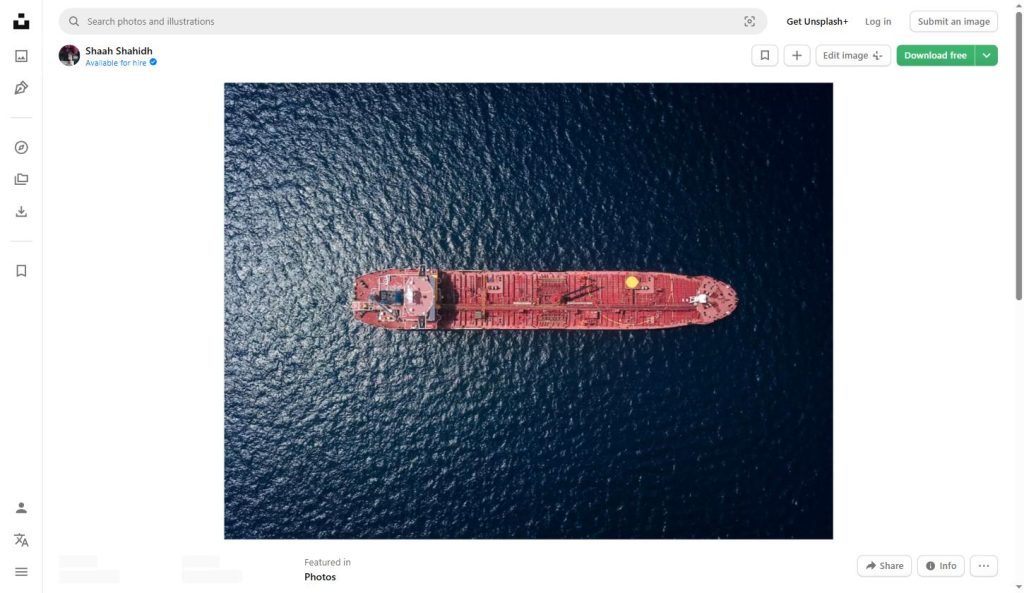

A Strait of Hormuz deal between the U.S. and Iran could be just days away, according to Treasury Secretary Scott Bessent, who said Tuesday that talks with Tehran could produce an agreement to reopen the critical shipping lane within a day or two. If it holds, the deal would mark a major de-escalation after months of tanker attacks, airstrikes, and a U.S. naval blockade that have left hundreds of vessels stranded in the Persian Gulf. Here are seven key facts about where things stand.
Table of Contents
Fact 1: A Deal Could Come as Soon as Tuesday or Wednesday
Speaking on CNBC’s “Squawk Box”, Bessent said the U.S. and Iran are actively negotiating and that an agreement could arrive within a day or two. He described the goal as moving toward a more normalized position in the conflict, a notable shift in tone after weeks of escalating strikes between Washington and Tehran.
Fact 2: It Would Mean “Freedom of Movement,” Not a Toll, for Ships
One of the central sticking points in the Strait of Hormuz deal has been whether Iran can charge commercial vessels to pass through the strait. Bessent said the emerging deal centers on genuine freedom of movement rather than any kind of toll system, which would let ships transit Hormuz without paying Tehran for access.
Fact 3: Oil Prices Already Fell Nearly 6% on the News
Markets moved quickly. U.S. crude oil futures dropped nearly 6%, falling below $76 a barrel, as traders priced in the possibility that hundreds of tankers currently stuck in the Persian Gulf could finally start moving again. Bessent said prices should fall further once that backlog clears, since a large share of the world’s oil supply normally passes through the strait.
Fact 4: Trump Says He Called Off a Major Strike to Allow for Talks
President Trump said over the weekend that he called off a major planned attack on Iran specifically to give negotiators room to reach a deal on reopening Hormuz. It’s a pattern that’s played out before: Trump has repeatedly teased a resolution to the conflict, only for fighting to flare up again before anything is finalized.
Fact 5: This Isn’t the First Time a Deal Has Been Teased
The U.S. and Iran actually signed a memorandum of understanding back on June 17 aimed at reopening the strait, and ship traffic briefly picked up afterward. That agreement fell apart within weeks after Washington and Tehran couldn’t agree on which shipping route vessels should use to transit Hormuz, a dispute that’s central to the current round of talks as well, and one we’ve been tracking in our ongoing roundup of developing world stories.
Fact 6: Why the Last Deal Collapsed
Iran wants commercial vessels to sail through its own territorial waters when crossing Hormuz, while the U.S. has insisted on protecting tanker traffic along Oman’s coastline instead. When the June agreement broke down, Iran began attacking tankers that used the U.S.-protected Oman route, prompting Washington to launch more than a dozen waves of airstrikes and reimpose a naval blockade, an escalation directly tied to why a lasting Strait of Hormuz deal has been so hard to reach, and part of the same broader conflict that led to the US-Saudi strikes on Iran-backed militias in Iraq last week.
Fact 7: The Ripple Effects Go Far Beyond Oil
Bessent noted that a reopened strait wouldn’t just relieve oil markets. It would also unstick shipments of fertilizer, refined fuel products, and industrial gases that have been stranded alongside the oil tankers. Secretary of State Marco Rubio said the U.S. is also working with Oman to broker shorter-term arrangements that would let more ships through even before a full deal is reached, describing progress made but no finality yet. The stakes are already visible elsewhere in the region: the drone attack that hit tankers at Egypt’s Damietta port last week was a reminder of how exposed regional shipping remains while the standoff continues.
What Happens Next
If Tuesday or Wednesday comes and goes without a signed agreement, it won’t necessarily mean talks have collapsed. Previous rounds have taken weeks to fall apart even after an initial breakthrough. The real test will be whether ships can actually transit the disputed route without incident, something the June agreement never survived. For now, markets are treating the prospect of a Strait of Hormuz deal as good news, but traders are also watching for the same route dispute that sank the last one. This story continues to develop alongside our broader coverage in the USA-Iran War 2026 intelligence report and our roundup of the top stories shaping the world.
Frequently Asked Questions
What is the Strait of Hormuz and why does it matter?
The Strait of Hormuz is a narrow waterway between Iran and Oman that connects the Persian Gulf to open ocean. It’s one of the world’s most important oil chokepoints, with a large share of global crude oil shipments passing through it every day.
Has the U.S. and Iran reached a Strait of Hormuz deal yet?
As of Tuesday, August 4, no final agreement had been signed. Treasury Secretary Scott Bessent said a deal could come within a day or two, but earlier talks in June also looked promising before falling apart.
Why did oil prices drop on this news?
Traders are anticipating that hundreds of tankers currently stranded in the Persian Gulf could resume shipments if the strait reopens, which would ease supply constraints and pull crude prices lower.
What derailed the previous Hormuz agreement?
The June memorandum of understanding collapsed after the U.S. and Iran couldn’t agree on which route ships should use to cross the strait, leading to renewed tanker attacks and a wave of U.S. airstrikes.