
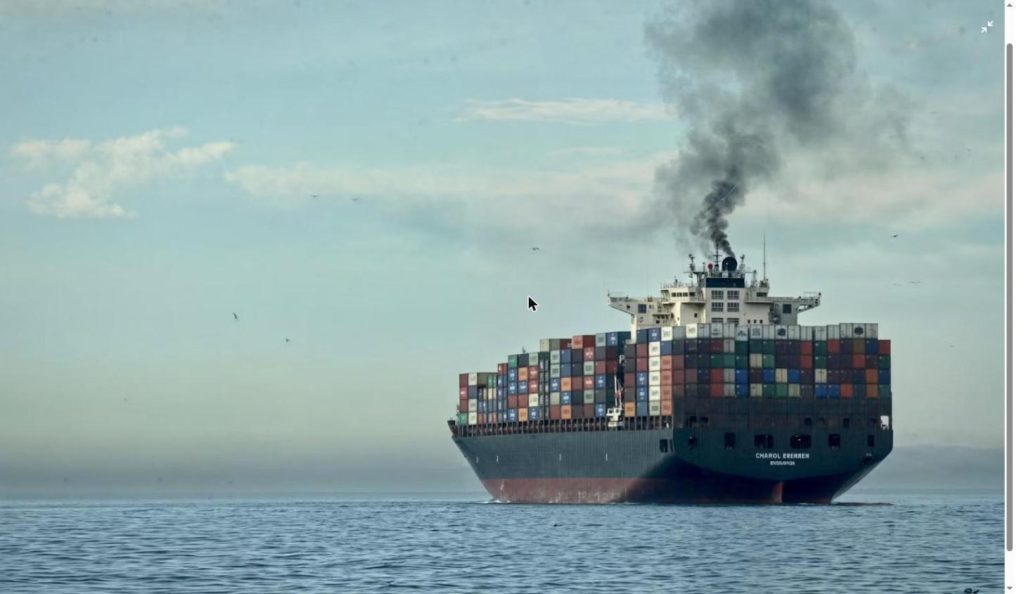

The Egypt tanker drone attack fears were confirmed on Thursday after Egypt’s cabinet said a drone strike caused fires aboard two liquified natural gas ships at the Mediterranean port of Damietta. The incident marks one of the most direct hits yet on critical energy infrastructure outside the immediate Gulf war zone, and it lands just hours after the US and Saudi Arabia carried out joint strikes on Iran-backed militias in Iraq. Here are seven key facts about what happened, who might be responsible, and why it matters.
Table of Contents
Egypt Tanker Drone Attack: What Happened at Damietta Port
Egypt’s cabinet confirmed that a drone attack ignited a blaze on two vessels docked at Damietta, a key liquified natural gas (LNG) hub on the Mediterranean coast, on Wednesday. Videos verified from social media showed thick black smoke pouring from the port as tugboats sprayed water on the burning ships. Officials said the fires were brought under control and the port continued operating at full capacity by Thursday.
Fact 1: The Ships Involved — Energos Winter and GasLog Salem
The drone reportedly struck the Energos Winter, a US-owned floating storage and regasification vessel (FSRU), sparking a blaze that spread to a nearby Greek-owned LNG tanker, the GasLog Salem. Both ships later moved offshore following the incident, according to ship-tracking data cited by the BBC.
Fact 2: No Casualties Reported, Port Back to Full Capacity
Egyptian authorities said no casualties resulted from the fire, and that the flames were fully extinguished within hours. Damietta, one of the most important LNG export points in the Mediterranean, was reported to be running at full capacity again by Thursday, easing early fears that the Egypt tanker drone attack would disrupt gas shipments for long.
Fact 3: No One Has Claimed Responsibility
Egypt’s cabinet said in a statement that “no party has claimed responsibility” for the attack, adding that authorities are continuing their investigation and working to “preserve Egypt’s interests and national security.” It remains unclear exactly where the drone was launched from or who was behind it.
Fact 4: Trump Implies Iran or Its Proxies Were Behind It
US President Donald Trump told reporters he had been briefed on the Damietta incident and suggested Iran or Iran-aligned groups were responsible. “It’s a little more of the same. But it’s going to be straightening out,” he said Wednesday, without offering further detail.
Fact 5: It Came Hours After US-Saudi Strikes on Iran-Backed Militias in Iraq
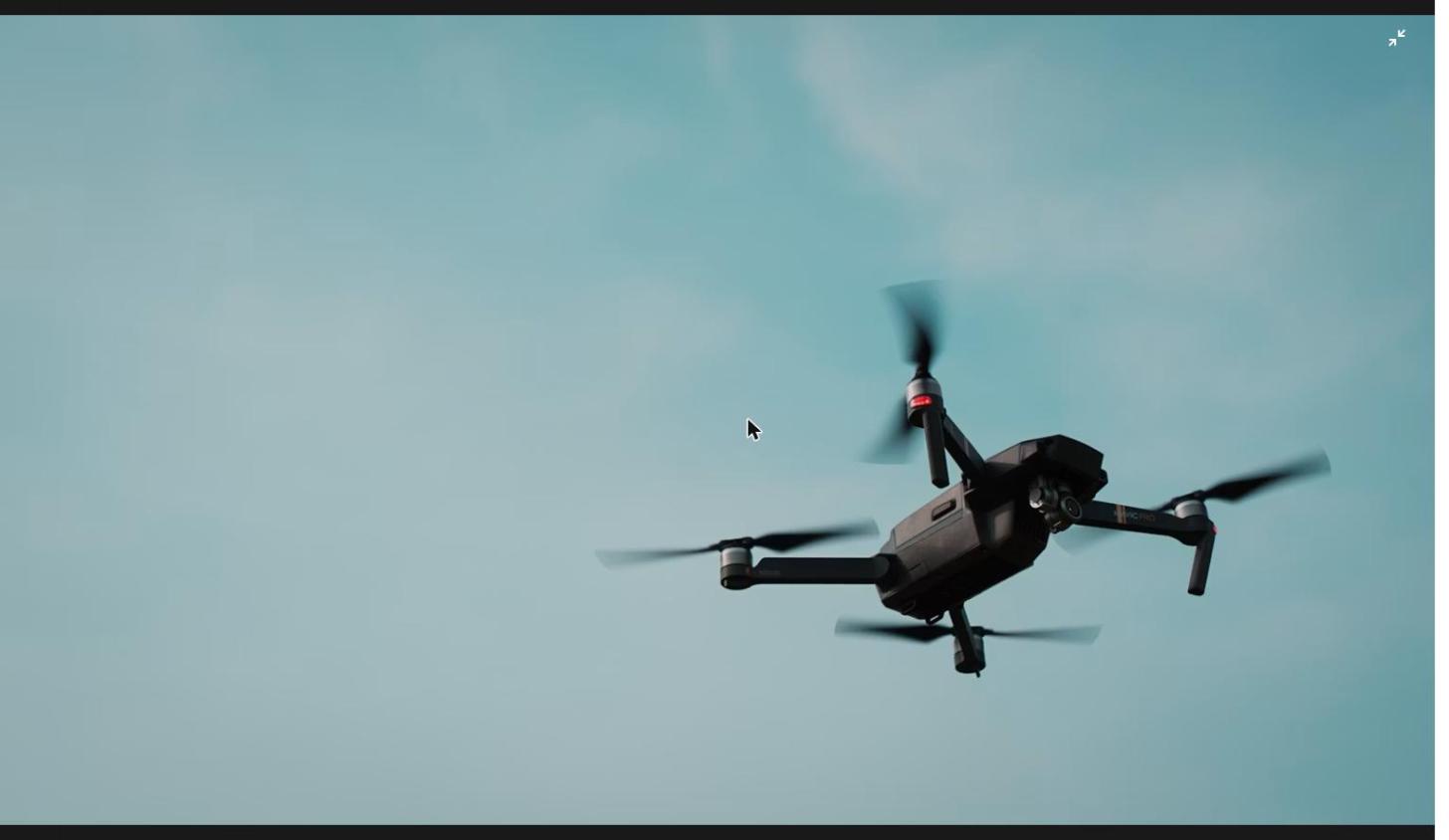
The Damietta attack happened just hours after the US and Saudi Arabia carried out joint air strikes in Iraq targeting Iran-backed armed groups accused of launching drone attacks on Saudi oil facilities roughly 30 times in recent days. As detailed in our full breakdown of the US-Saudi strikes on Iran-backed militias in Iraq, Iraq’s Iran-aligned Popular Mobilisation Forces reported at least 20 fighters killed and called the strikes an “extremely serious escalation.”
Fact 6: Part of a Broader Pattern Targeting Gulf and Red Sea Shipping
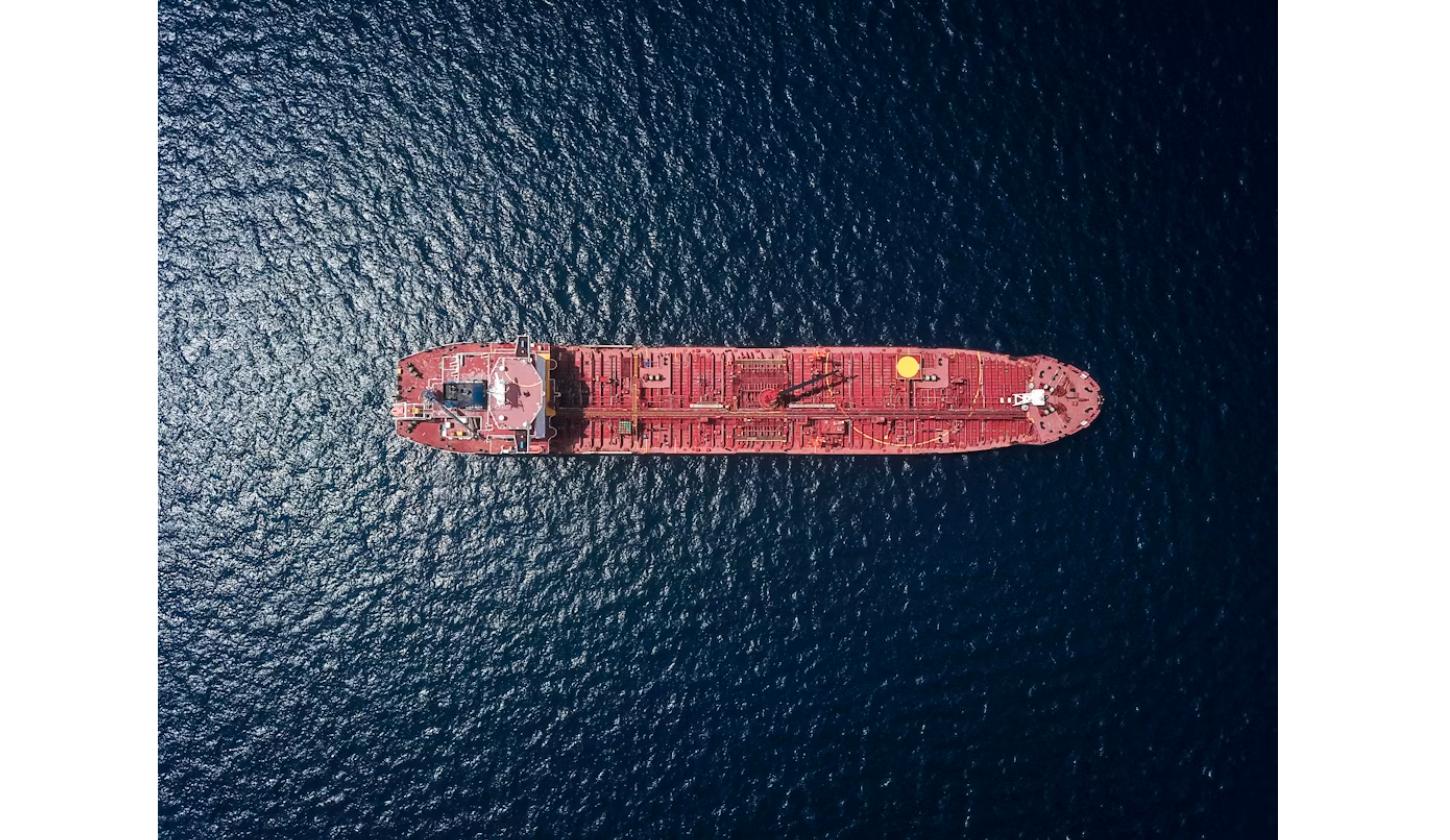
Iranian forces and Iran-backed armed groups have repeatedly targeted tankers and energy infrastructure across the Gulf, the Red Sea, and several Arab states throughout the US-Israel war with Iran, disrupting global trade and pushing oil prices higher. Our USA-Iran War 2026 intelligence report tracks this pattern in detail, including the string of tanker attacks in the Strait of Hormuz that have repeatedly rattled energy markets this year. Egypt, a longtime US ally, had not been directly targeted by Iran-aligned attacks until this Egypt tanker drone attack.
Fact 7: The Wider Escalation Is Accelerating Fast
The Damietta fire is only the latest flashpoint in a rapidly moving conflict. Hours earlier, the US carried out what officials described as a “heavy wave of strikes” on Iran in response to an attempted missile attack on US military facilities in Jordan. For a broader view of how the conflict has unfolded, see our roundups of the top stories shaping the world right now and the developing stories we’ve been tracking in real time, as well as our report on the US strikes in Iran amid NATO’s Ankara meeting.
What Happens Next
Analysts expect Egyptian and international investigators to focus on pinpointing the drone’s launch site and payload signature, which could offer clues about which group carried out the attack. Given Damietta’s role as a major LNG export hub, any further disruption could ripple through European gas markets already sensitive to Middle East supply risk. Washington and Cairo are likely to increase surveillance around the port and nearby shipping lanes in the coming days, and further retaliation tied to the broader Iran conflict remains a real possibility after this Egypt tanker drone attack.
Frequently Asked Questions
What caused the fire at Damietta port?
Egypt’s cabinet confirmed the fire was caused by a drone attack that struck the Energos Winter LNG vessel, with flames spreading to the nearby GasLog Salem tanker.
Was anyone hurt in the Egypt tanker drone attack?
No casualties were reported. Egyptian authorities extinguished the fires, and the port resumed full operations by Thursday.
Who is responsible for the drone strike?
No group has claimed responsibility, though President Trump suggested Iran or Iran-backed forces were likely involved, continuing a pattern seen elsewhere in the region.
Is this related to the US-Saudi strikes in Iraq?
Yes. The Damietta attack occurred just hours after US and Saudi forces struck Iran-backed militias in Iraq accused of repeated drone attacks on Saudi oil facilities.


Pingback: Strait of Hormuz Deal: 7 Facts on the US-Iran Breakthrough