

US-Saudi strikes Iran-backed militias in Iraq marked a serious turn in the Middle East conflict this week after Iran launched a surprise missile attack on US forces. The United States responded alongside Saudi Arabia with joint strikes Iran-backed militias inside Iraq. The escalation has left at least 20 fighters dead and dozens wounded, shattering a brief lull in hostilities between Washington and Tehran.
The strikes mark one of the most significant flashpoints since the US-Iran war began earlier this year, and they arrived just as Israeli Prime Minister Benjamin Netanyahu landed in Washington for talks with President Trump. Here is what we know about the US-Saudi strikes Iran-backed militias in Iraq and why the region is bracing for what comes next.
Table of Contents
What Happened: US-Saudi Strikes Iran-Backed Militias in Iraq
US Central Command said the joint strikes hit “multiple terrorist logistics and weapons sites” across eastern Iraq, describing the operation as a response to more than 30 drone attacks directed by Iran’s Islamic Revolutionary Guard Corps over the preceding 72 hours. Iraq’s Popular Mobilisation Forces, an umbrella group of mostly Shia militias formally integrated into the Iraqi military, said the strikes hit its bases across seven provinces.
Fact 1: Iran Launched a Surprise Missile Attack on US Forces First
The chain of events began when Iran fired multiple ballistic missiles at American forces in the region in what US officials called an “attempted surprise attack.” The launch happened at 17:45 EDT on Tuesday, and the US military says every missile was successfully intercepted before reaching its target.
Fact 2: The IRGC Says It Targeted a US Base in Jordan and Tankers in the Strait of Hormuz
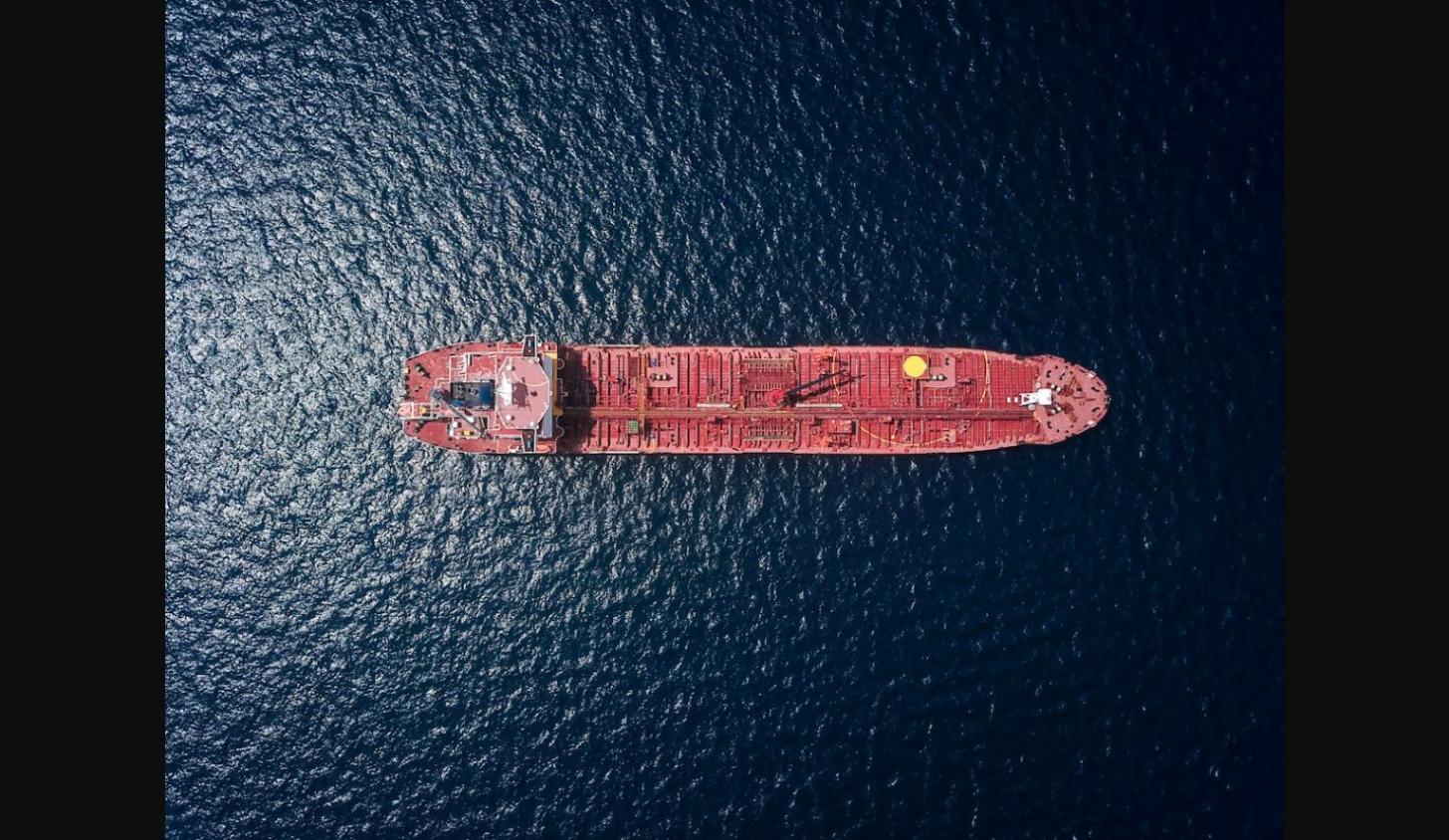
Iran’s Revolutionary Guard said it had aimed at a US air base and command centre in Jordan. It also claimed its naval forces struck three oil tankers in the Strait of Hormuz after the vessels sailed along a route it considered unauthorized, adding another dangerous front to an already tense waterway that carries a huge share of the world’s oil shipments.
Fact 3: At Least 20 Militia Fighters Were Killed Across Seven Iraqi Provinces
The Popular Mobilisation Forces said the joint US-Saudi strikes killed at least 20 of its members and wounded 32 more, hitting bases in Baghdad, Wasit, Nineveh, Basra, Kirkuk, Karbala and Diyala. The deadliest strikes reportedly hit sites in Nineveh and Diyala provinces. Iraq’s presidency condemned the strikes as a violation of the country’s sovereignty, even though President Trump said the operation had been coordinated with the Iraqi government.
For context on how quickly regional conflicts can escalate, our earlier coverage of US strikes on Iran and the NATO response in Ankara traced a similar pattern of retaliation and counter-retaliation.
Fact 4: Saudi Arabia Says It Acted in Self-Defence After Drone Attacks on Its Oil Facilities
A Saudi defence ministry spokesman accused Iran-backed militias of launching drones from Iraqi territory at oil facilities in the kingdom’s Eastern and Riyadh regions earlier in the week. Saudi Arabia said it responded under its right to self-defence, striking specific militia targets while insisting it does not want the conflict to widen further.
Fact 5: The Attack Broke a Rare Three-Day Pause in the Fighting
The renewed US-Saudi strikes Iran-backed militias came just two days after President Trump described “very friendly negotiations” over access to the Strait of Hormuz, and after both sides had gone three consecutive days without exchanging fire. That lull followed 13 consecutive nights of US bombing earlier in the conflict, which Washington said targeted Iranian weapons and military sites. According to BBC News, scores of people were reported killed during that earlier bombing campaign.
Fact 6: Oil Prices Jumped on Fears of a Wider Conflict
Global benchmark Brent crude rose 5% to $88.50 a barrel on Wednesday as traders reacted to the risk of further disruption to energy shipments through the Strait of Hormuz, which has been effectively closed since the war between the US, Israel and Iran began at the end of February.
Fact 7: The Strikes Coincided With Netanyahu’s Visit to the White House
The latest escalation happened as Israeli Prime Minister Benjamin Netanyahu met President Trump in Washington and attended the funeral of US Senator Lindsey Graham, a prominent Iran hawk. Iran’s foreign ministry condemned the Iraq strikes as a “gross violation” of international law and accused Washington and Israel of trying to expand the war further across the region.
What Happens Next: US-Saudi Strikes Iran-Backed Militias
These US-Saudi strikes Iran-backed militias may not be the last. Centcom has warned that the IRGC and its allied militias “must cease” further attacks to avoid additional US military action, while Iraq’s government faces pressure to prevent its territory from being used as a launchpad for strikes on its neighbors. With the Strait of Hormuz still a major sticking point and oil markets on edge, analysts expect the coming days to determine whether this becomes a full reversal of the recent ceasefire efforts.
Our USA-Iran War 2026 intelligence report breaks down the wider timeline and forecast for the conflict, while our February ultimatum update explains how the war escalated in the first place. For a broader snapshot of what else is happening globally, see our roundup of the top stories shaping the world this week.
You can also catch up on this week’s wider news cycle in our roundup of the top 20 news updates, which tracks other major developing stories alongside this one.
Why US-Saudi Strikes Iran-Backed Militias Matter for the Wider Region
The US-Saudi strikes on Iran-backed militias are unfolding against the backdrop of a broader US-Israel-Iran war that has run since February, one that has already left more than 600 US military service members injured. Each new round of strikes raises the stakes for a region still absorbing the shock of that conflict, and it puts renewed pressure on the fragile Saudi-Iran detente that both countries only rebuilt in 2023 after decades of rivalry.
Energy markets are also watching closely. The Strait of Hormuz, a vital corridor for global oil shipments, has been effectively closed since the wider war began, and Wednesday’s jump in Brent crude prices shows how sensitive traders remain to any sign that the US-Saudi strikes on Iran-backed militias could widen into a broader regional confrontation. For now, officials on all sides say they are not seeking further escalation, but the pattern of strikes, pauses, and renewed strikes suggests the situation remains highly volatile.
Frequently Asked Questions About the US-Saudi Strikes on Iran-Backed Militias
Why did the US and Saudi Arabia strike targets in Iraq?
Centcom said the US-Saudi strikes Iran-backed militias targeted sites responsible for drone and missile attacks on US forces and Saudi energy infrastructure over the preceding days.
How many people were killed in the strikes?
Iraq’s Popular Mobilisation Forces reported at least 20 of its fighters killed and 32 wounded across bases in seven provinces.
Did Iran attack US forces directly?
Yes. Iran launched ballistic missiles at US forces in what officials called a surprise attack, though the US says all missiles were intercepted.
What is the Strait of Hormuz’s role in this conflict?
The strait is a critical route for global oil shipments and has been effectively closed since the wider US-Israel-Iran war began, making it a recurring flashpoint.
Is this part of a larger, ongoing war?
Yes. These US-Saudi strikes Iran-backed militias are the latest escalation in a broader US-Israel-Iran conflict that has been unfolding since February, with periods of intense fighting followed by short-lived pauses.


Pingback: Egypt Tanker Drone Attack: 7 Shocking Facts
Pingback: Strait of Hormuz Deal: 7 Facts on the US-Iran Breakthrough