
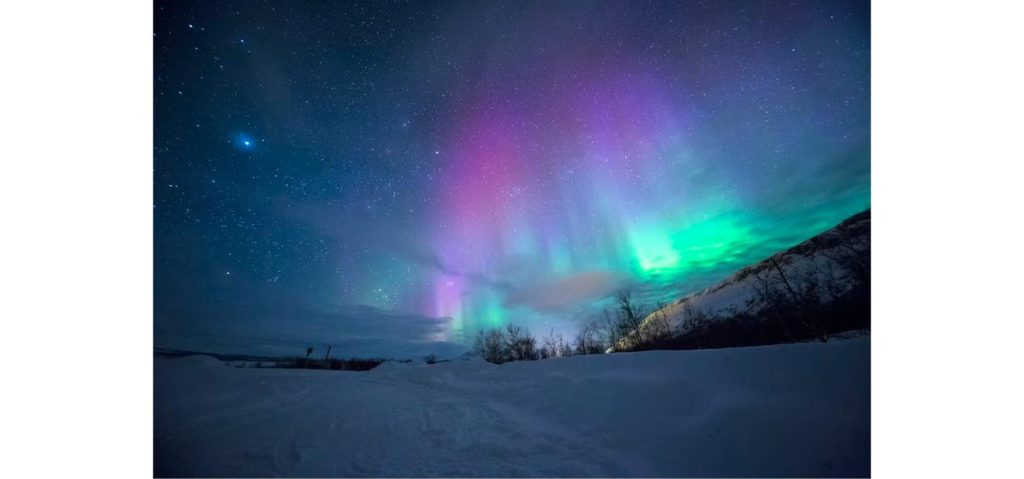

A minor geomagnetic storm is fueling a fresh northern lights forecast this week, and skywatchers across the northern United States are being told to look up after dark. According to NOAA’s Space Weather Prediction Center, the storm could push the aurora borealis far enough south to be visible from roughly a dozen states, marking one of several surprise aurora nights the country has seen throughout 2026.
What Is Causing the Northern Lights Forecast Tonight?
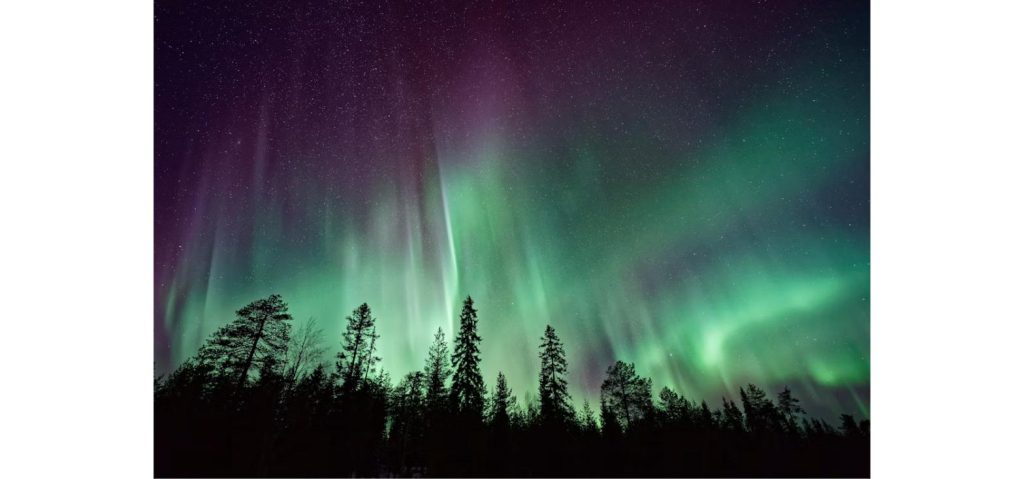
The activity traces back to a G1-class geomagnetic storm, the mildest category on NOAA’s five-step geomagnetic storm scale, triggered by a burst of solar wind reaching Earth’s magnetic field. When charged particles from the sun collide with gases in the upper atmosphere, they release the shimmering green, pink, and purple light familiar from classic aurora photography. NOAA’s Space Weather Prediction Center tracks these events using an OVATION model that produces a rolling 30 to 90 minute aurora forecast, giving viewers a short window to plan their night.
Which States Could See the Aurora Borealis Tonight?
NOAA’s predicted viewline stretches across the far northern tier of the country, with the best odds concentrated in Alaska, Montana, North Dakota, Minnesota, Maine, and the northern parts of Washington, Idaho, and Michigan. A handful of additional states along the US-Canada border have a smaller chance of catching a faint glow near the horizon if the storm strengthens overnight. As always with aurora forecasting, the viewline is a moving target that can shift with almost no warning, so checking a live aurora tracker before heading out is far more reliable than any single map.
Understanding NOAA’s Geomagnetic Storm Scale
NOAA ranks geomagnetic storms from G1, described as minor, up to G5, described as extreme, with each step up meaning the aurora can be seen farther from the poles. A G1 storm like the one behind tonight’s northern lights forecast typically pushes the aurora into the far northern United States, while a G4 or G5 event can occasionally light up skies as far south as Alabama or Texas, as happened during rare superstorms in recent years. The scale also corresponds to the Kp index, a 0 to 9 measurement of geomagnetic disturbance, where a Kp of 5 aligns with G1 conditions and higher Kp readings signal a stronger, more widespread aurora.
When and How to Watch the Northern Lights Tonight
Aurora hunters generally have the best luck between about 10 p.m. and 2 a.m. local time, when the sky is darkest and the geomagnetic activity tends to peak. Getting away from city lights makes an enormous difference, since even modest light pollution can wash out a faint aurora that would otherwise be an easy catch from a dark rural field. Facing north, giving your eyes at least fifteen minutes to adjust, and checking a real-time aurora forecast right before you head outside will all improve your odds far more than simply hoping the color show appears on schedule.
Why This Northern Lights Forecast Keeps Happening in 2026
This is far from an isolated event. The sun is currently near the peak of Solar Cycle 25, a roughly eleven-year stretch of rising and falling solar activity, which means sunspots, solar flares, and the coronal holes that send storms toward Earth are all more frequent than usual. That same burst of solar and cosmic activity has made 2026 a banner year for skywatchers overall, from the astronomers who recently watched a magnetar being born to the crowds who tracked an interstellar comet racing through the solar system. For anyone who has caught the space-watching bug, an active aurora season is simply the latest reason to keep looking up.
How to Photograph the Aurora Borealis With Just Your Phone
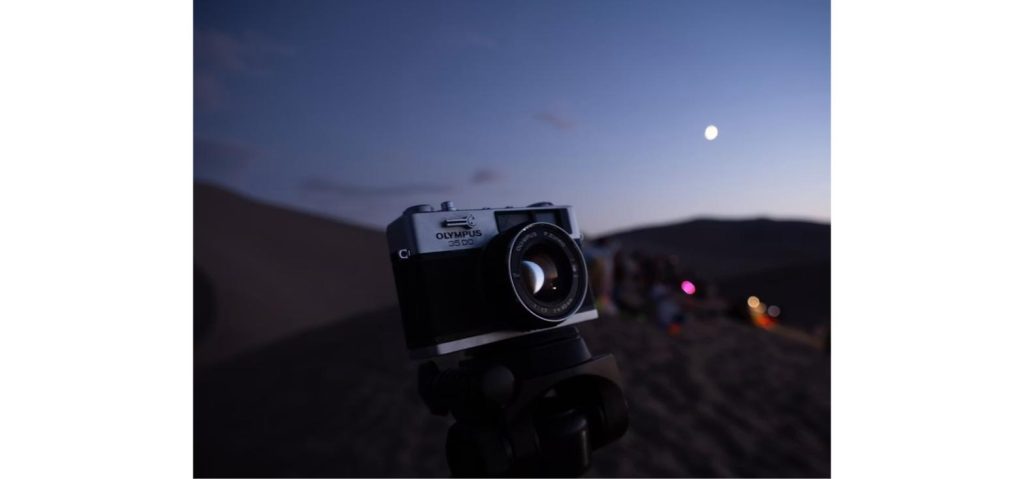
Modern smartphone night modes can capture aurora color that is barely visible to the naked eye, which is why so many viral aurora photos look far more dramatic than what people remember seeing in person. Setting a phone on a steady tripod, switching to night mode or a manual long exposure of two to five seconds, and turning off the flash will produce the clearest results. A dedicated camera with a wide-angle lens and a similar long exposure works even better, and steadying the setup on solid ground rather than handholding it is the single biggest factor separating a blurry shot from a shareable one.
Why Northern Lights Forecasts Go Viral So Fast
Every time a northern lights forecast circulates, social media fills up with maps, timelapse videos, and photos within hours, and the pattern fits neatly into the psychology of how viral trends actually spread. The aurora checks nearly every box that makes content shareable: it is rare, it is visually stunning, it happens on a countdown clock, and it gives people an easy reason to post a photo of their own. Combine that with a topic almost everyone can personally verify by walking outside, and it is easy to see why a single geomagnetic storm can dominate timelines for a night or two before fading as quickly as the lights themselves.
How This Northern Lights Forecast Compares to Past Aurora Events
This northern lights forecast is the latest in a string of aurora alerts stretching back through 2026, as elevated solar activity keeps producing minor to moderate geomagnetic storms every few weeks. Earlier northern lights forecasts this year brought the aurora to the Canadian border in early July and again in June, but tonight’s northern lights forecast stands out because the predicted viewline reaches unusually far south for a G1-class event. Comparing each northern lights forecast side by side shows a clear pattern: the stronger the storm rating, the farther south the aurora travels, which is exactly why tonight’s forecast has generated so much attention across social media.
How often does a northern lights forecast like this happen?
A northern lights forecast strong enough to reach the northern US states tends to appear every few weeks during an active solar period, though most stay confined to Alaska and Canada. A northern lights forecast that reaches a dozen states, like tonight’s, is noticeably less common and typically only happens a handful of times per year even during a strong solar cycle.
Frequently Asked Questions About the Northern Lights Forecast
How accurate is a northern lights forecast?
NOAA’s short-term aurora forecasts are reasonably reliable within their 30 to 90 minute window, but longer-range outlooks issued days in advance can shift significantly as new solar wind data comes in, so it is worth checking again close to your planned viewing time.
Which states have the best chance of seeing the aurora tonight?
Alaska, Montana, North Dakota, Minnesota, and Maine currently sit closest to the predicted viewline, with northern parts of Washington, Idaho, and Michigan having a secondary chance depending on how the storm develops overnight.
Do I need special equipment to see the northern lights?
No special gear is required to see the aurora with your own eyes, though a dark sky, warm clothing, and patience matter far more than any equipment. A smartphone or camera becomes useful only if you want to photograph the display, since long exposures often reveal color that is fainter in person.
What is a G1 geomagnetic storm?
A G1 storm is the mildest category on NOAA’s geomagnetic storm scale, corresponding to a Kp index of about 5. It is common enough to occur several times a month during an active solar period and is usually strong enough to bring the aurora into the northernmost US states without causing any significant technological disruption.
Why are northern lights forecasts more common in 2026?
The sun is near the peak of its current eleven-year solar cycle, known as Solar Cycle 25, which increases the frequency of solar flares and coronal mass ejections capable of triggering geomagnetic storms and aurora displays visible from mid-latitude states.
Can I see the northern lights from a city?
It is possible during a strong storm, but light pollution from streetlights and buildings makes faint aurora displays much harder to see. Driving even twenty to thirty minutes away from a city center toward darker, north-facing skies dramatically improves visibility.
How long does an aurora borealis event usually last?
A single geomagnetic storm can produce visible aurora activity for anywhere from a few hours to most of the night, though the brightest, most colorful bursts often come in shorter waves lasting fifteen to thirty minutes at a time.
What is the difference between aurora borealis and aurora australis?
Aurora borealis refers to the northern lights, visible near the North Pole, while aurora australis is the southern hemisphere’s equivalent display near Antarctica. Both are caused by the same solar particles interacting with Earth’s magnetic field, just on opposite ends of the planet.
Where can I check tonight’s northern lights forecast myself?
NOAA’s Space Weather Prediction Center publishes a free, regularly updated northern lights forecast and aurora viewline map that anyone can check before heading outside, making it the most reliable single source for tonight’s Bookmarking that page is the simplest way to stay ahead of the next northern lights forecast.conditions.



Pingback: Inouye Solar Telescope Images Reveal 6 Stunning Sun Facts