
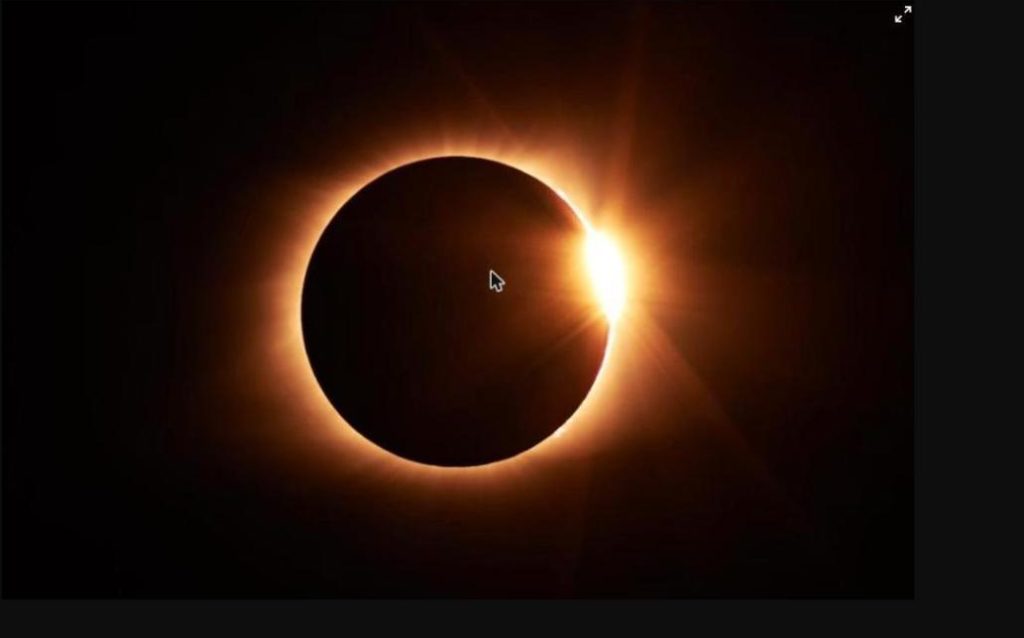

A total solar eclipse 2026 event swept across parts of Europe today, treating millions of skywatchers to a rare celestial spectacle. The moon lined up perfectly between Earth and the sun, plunging a narrow strip of Spain, Portugal, Greenland and Iceland into daytime darkness while much of the rest of western Europe watched a dramatic partial eclipse unfold. Here are seven facts explaining exactly what happened, when to see it, and why scientists are so excited.
Table of Contents
1. What Is a Total Solar Eclipse?
A solar eclipse happens when the moon passes directly between Earth and the sun, casting its shadow onto our planet. Stand in the darkest part of that shadow, called the umbra, and the moon completely blocks the sun, giving you a total solar eclipse. Step into the lighter penumbra instead, and you get a partial eclipse, where the moon covers only part of the sun’s disc. Because the moon’s orbit is slightly tilted relative to Earth’s path around the sun, this precise alignment is rare, which is exactly why a total solar eclipse 2026 event like today’s draws so much attention.
2. How Rare Is Today’s Event?
Today marks the first total solar eclipse to cross mainland Europe in roughly two decades. The last comparable event visible from the UK happened back in 1999, when the path of totality passed over parts of Devon and Cornwall. Miss this one, and the wait is long: the next total solar eclipse visible from the UK isn’t expected until 2090. That timeline alone explains why so many skywatchers cleared their calendars for today’s total solar eclipse 2026 spectacle.
3. Where Was the Eclipse Visible?
The path of totality, the narrow strip on Earth’s surface where the moon fully blocks the sun, cut through a band of northern and central Spain, a small sliver of Portugal, and parts of Greenland and Iceland. Outside that narrow track, a much wider partial eclipse was visible across the UK, France, Belgium, Switzerland and northern Italy, where the setting sun appeared to have a large bite taken out of it rather than disappearing completely.
4. What Time Did It Peak?
Viewers along the path of totality in Spain saw the eclipse peak between roughly 8:26pm and 8:33pm local time, just before sunset. In the UK, the partial eclipse began in London around 6:17pm BST, reached its maximum at 7:13pm BST, and wrapped up by about 8:06pm BST. Coverage varied by location: Cornwall saw around 96% of the sun blocked, western Scotland about 93%, and London roughly 92%, making this the deepest UK eclipse since 1999.
5. How Could You Watch It Safely?
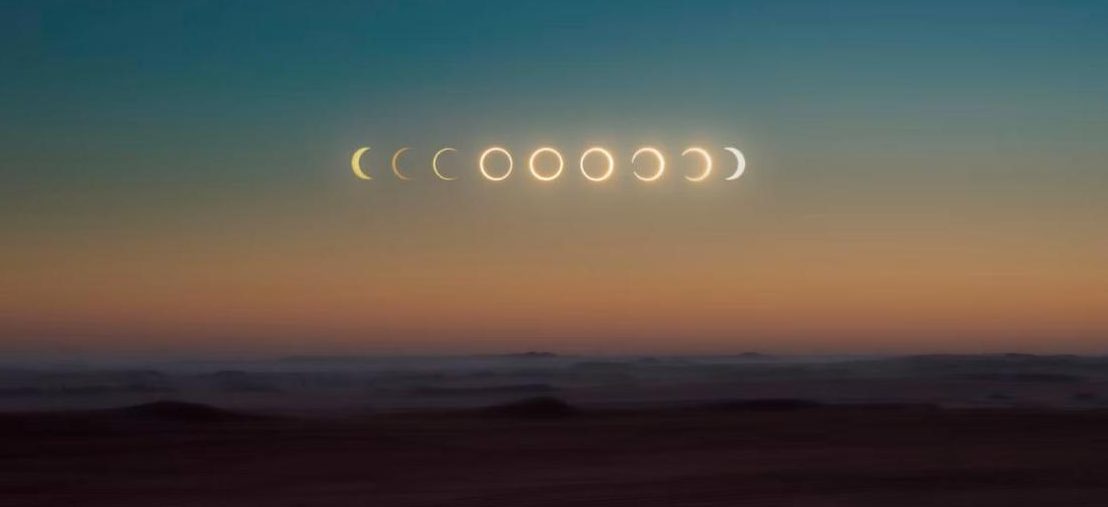
Looking directly at the sun, even during a partial eclipse, can cause permanent eye damage, and ordinary sunglasses offer nowhere near enough protection. Astronomers recommend certified eclipse glasses made specifically for solar viewing. Without a pair on hand, a simple kitchen colander can double as a pinhole projector: hold it with your back to the sun and let the light pass through the holes onto a piece of card, then watch the eclipse shapes appear indirectly rather than looking up at the sky.
6. Why Are Scientists So Excited?
Beyond the spectacle, a total solar eclipse gives researchers a rare window to study the sun’s outer atmosphere, or solar corona, which is normally too faint to observe against the sun’s glare. Scientists use the brief darkness to learn more about the sun’s atmospheric chemistry and how it shifts across the roughly 11-year solar activity cycle. The same corona detail researchers chase during eclipses is exactly what the world’s most powerful solar telescope has recently captured in unprecedented resolution. Eclipses have made history before too: during a 1919 eclipse, astronomers measured the position of stars near the sun to help confirm Einstein’s theory of general relativity, a landmark moment for modern physics.
7. What Happens Right After the Eclipse?
The sky isn’t done putting on a show once today’s total solar eclipse 2026 event wraps up. A partial lunar eclipse, sometimes nicknamed a ‘blood moon’ for the reddish glow it can produce, is expected to be visible from the UK just after 5am BST on 28 August. Even sooner, the Perseid meteor shower is due to peak overnight between 12 and 13 August, so stargazers who stay out after sunset may catch shooting stars on the very same night as the eclipse.
What Happens Next
For most of Europe, today’s total solar eclipse 2026 is a once-in-a-generation event, and the next chance to see a total eclipse from the UK won’t arrive until 2090. In the meantime, skywatchers have plenty to look forward to this month alone, from the overnight Perseid meteor shower peak to the partial lunar eclipse later in August. If you love following space stories, don’t miss our coverage of the Perseverance rover’s record-breaking drive across Mars. Scientists, meanwhile, will spend the coming weeks analyzing data and images gathered during totality, adding to our understanding of the sun’s atmosphere and behavior.
Frequently Asked Questions
What is a total solar eclipse?
A total solar eclipse occurs when the moon passes directly between Earth and the sun, completely blocking sunlight for anyone standing in the darkest part of the moon’s shadow, the umbra. According to The Guardian, today’s total solar eclipse 2026 event is the first of its kind to cross mainland Europe in around two decades.
Where could you see the 2026 total solar eclipse?
The path of totality ran through parts of northern and central Spain, a small area of Portugal, and sections of Greenland and Iceland. A partial eclipse was also visible across much of western Europe, including the UK, France, Belgium, Switzerland and northern Italy.
What time did the eclipse peak in the UK?
In London, the partial eclipse began around 6:17pm BST, peaked at 7:13pm BST, and ended by roughly 8:06pm BST, with Cornwall seeing the deepest coverage at about 96%.
Is it safe to look at a solar eclipse?
No, you should never look directly at the sun without certified eclipse glasses, even during a partial eclipse. A pinhole projector made from a household colander is a safe way to view the total solar eclipse 2026 indirectly if glasses aren’t available.