
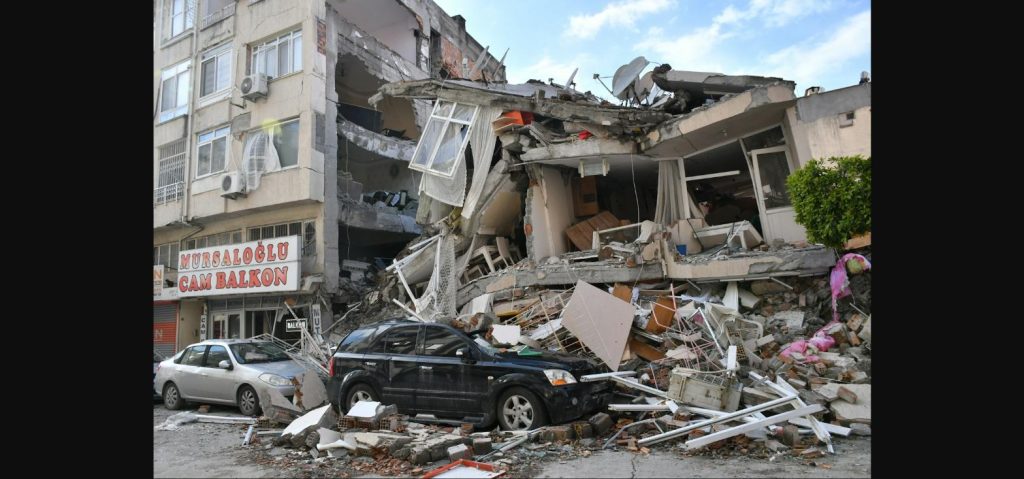

A powerful 7.1-magnitude earthquake tore through south-west Japan on Tuesday, setting off the Japan earthquake mall collapse that has since dominated headlines worldwide. The quake struck Kyushu island at 16:27 local time, sending emergency crews racing toward a shopping centre where dozens of shoppers and workers were feared trapped beneath rubble and smoke.
Here is everything confirmed so far about the Japan earthquake mall collapse, from the explosion inside Kumamoto’s Aeon Mall to the painful history of quakes that still haunts the region a decade later.
Table of Contents
What Happened in the Japan Earthquake Mall Collapse
The magnitude 7.1 earthquake hit inland on Kyushu island, with its epicentre roughly 20km south of Kumamoto city, a hub of about 700,000 people. The shallow depth of just 10km made the shaking especially violent, and officials have warned that strong aftershocks remain likely in the days ahead. About 300,000 residents were told to move to evacuation shelters as the region assessed the damage.
A brief tsunami warning was issued immediately after the quake but was lifted within the hour. Even so, the Japan earthquake mall collapse quickly became the story dominating national broadcasts, as footage showed cracked roads, split bridges, and buildings on fire across Kumamoto prefecture.
Fact 1: The Quake Struck During the Evening Rush
Because the earthquake hit in the late afternoon, streets, train platforms, and shopping centres were packed with commuters and families. Train services across the region were suspended almost immediately, and electricity was cut off for thousands of homes, complicating both the evacuation and the emergency response to the unfolding disaster.
Fact 2: An Explosion Triggered the Mall Collapse in Kumamoto
Local media reported an explosion tore through the Aeon Mall in Kumamoto prefecture immediately after the earthquake hit. Aeon Mall is a popular nationwide chain operating roughly 160 locations across Japan, home to department stores, boutiques, pharmacies, and food courts, which meant an unusually high number of people were inside when disaster struck.
Firefighters confirmed that the explosion caused the mall’s second floor to give way, and one witness described seeing it happen in real time. Emergency services said the blast left large sections of the building’s exterior blown off entirely, exposing the steel support beams underneath and sending white smoke pouring into the car park.

Fact 3: A Second Shopping Complex Also Partly Collapsed
The Japan earthquake mall collapse was not limited to a single site. In the town of Kashima, the local fire department said a separate shopping complex’s second floor collapsed, “leaving many people trapped inside.” Rescue crews were dispatched to both locations simultaneously, stretching resources thin during the critical early hours of the response.
Reports suggest that between 20 and 30 workers at the region’s largest shopping mall were initially unaccounted for after the blast, according to national broadcaster NHK. This is very similar to the confusion that followed a 7.3-magnitude quake covered in an earlier roundup, where initial casualty estimates shifted for hours as crews reached trapped residents.
Fact 4: Dozens Were Injured, Including Elderly Care Home Residents
At least 50 people are being treated in hospital, according to NHK, with roughly 10 injuries reported among residents of a local elderly care home. Japanese Prime Minister Sanae Takaichi confirmed the toll was still climbing, saying officials were “still assessing the extent of injuries and property damage.”
An 89-year-old resident of nearby Uki city told local outlet NewsJP that the earthquake “shook violently up-and-down and side-to-side for about 10 to 20 seconds,” a detail that underscores just how sudden and disorienting the Japan earthquake mall collapse was for everyone caught inside buildings at the time.
Fact 5: Japan Is Deploying Thousands of Soldiers for Recovery
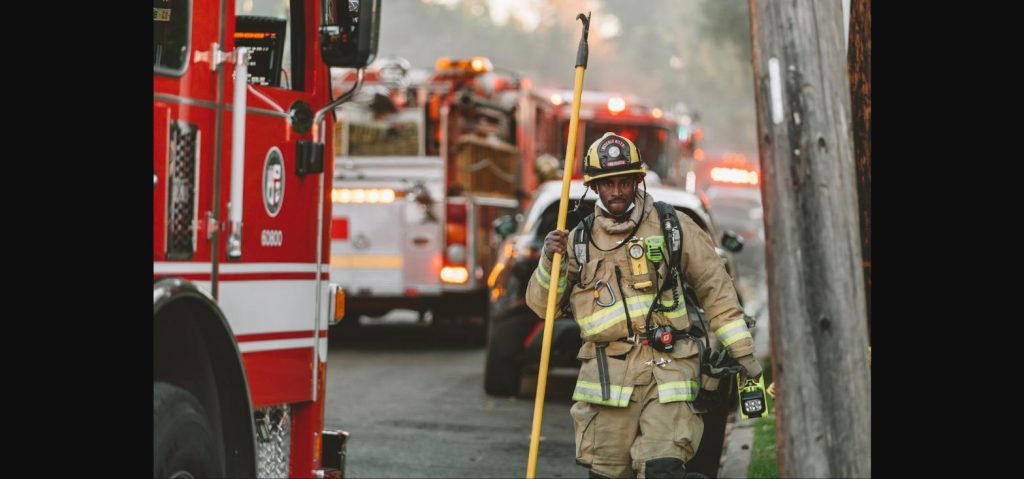
Prime Minister Takaichi announced that 3,600 soldiers would be deployed to assist with disaster recovery as aftershocks continued to rattle the region. Chief Cabinet Secretary Minoru Kihara confirmed that Japan’s self-defence force, fire services, and coast guard had all been mobilized to support the response.
BBC News reported that officials urged residents in the hardest-hit areas to monitor evacuation information closely through radio, television, and the internet, and to remain calm as search-and-rescue operations continue around the clock at the mall sites.
Fact 6: Kumamoto Has a Painful History With Deadly Quakes
This is far from Kumamoto’s first brush with catastrophe. A decade ago, the region was struck by a series of earthquakes, including a magnitude 7 quake in April 2016 that killed 278 people, according to NHK. That disaster reshaped building codes across the prefecture, yet the sheer force of this week’s quake still overwhelmed structures built to modern standards.
Japan overall experiences about 1,500 earthquakes every year, making it one of the most seismically active countries on Earth. Even so, officials say the scale of destruction from this particular Japan earthquake mall collapse ranks among the most severe single-building disasters the country has seen in recent years.
Fact 7: Nuclear Safety Officials Say a Nearby Plant Is Unaffected
Given Japan’s history with earthquake-triggered nuclear incidents, safety officials moved quickly to reassure the public. The International Atomic Energy Agency confirmed the earthquake “caused no damage or safety issues” at the Sendai Nuclear Power Plant, located around 100km from the epicentre, adding that the facility remains fully operational and under continued monitoring.
What Happens Next After the Japan Earthquake Mall Collapse
Rescue crews are racing against time as aftershocks continue to rumble beneath Kyushu island. Engineers are working to stabilize what remains of both collapsed structures before search teams can safely move deeper into the rubble, a process that could take days given the scale of the damage at each site.
For readers following other major global events this week, our latest world news roundup and full breaking news summary track how this disaster fits into a broader pattern of extreme weather and geological events, including the wildfires that forced 220,000 people to evacuate France and Spain earlier this month. You can also revisit our broader coverage of the world’s biggest developing stories for additional context on how these events connect.
How the Japan Earthquake Mall Collapse Compares to Other Recent Disasters
Emergency planners note that the Japan earthquake mall collapse shares a troubling pattern with other recent disasters: large public buildings that seemed structurally sound became death traps within seconds. Investigators will spend months examining why the Aeon Mall’s second floor gave way so quickly, and whether the explosion reported by local media was a direct result of the earthquake itself or a secondary failure, such as a gas line rupture triggered by the shaking.
For now, officials are prioritizing search and rescue over root-cause analysis, but engineers say lessons from the Japan earthquake mall collapse will likely influence how Japan inspects large commercial structures going forward. Building codes were already tightened after 2016, yet this week’s events suggest that shallow, high-intensity quakes near dense urban centers remain uniquely dangerous, regardless of how modern a structure appears.
Frequently Asked Questions About the Japan Earthquake Mall Collapse
How strong was the earthquake that hit Japan?
The earthquake measured magnitude 7.1 and struck Kyushu island at a shallow depth of about 10km, which intensified the shaking felt across Kumamoto prefecture and contributed directly to the Japan earthquake mall collapse.
How many people were trapped in the Kumamoto mall?
Officials described “many people” as trapped inside the Aeon Mall after its second floor collapsed, while a separate count suggested 20 to 30 workers were initially unaccounted for at the region’s largest shopping centre.
Was there a tsunami warning after the earthquake?
Yes, a brief tsunami warning was issued immediately following the quake but was lifted within about an hour, with no significant wave activity reported along the coastline near the epicentre.
Is the Sendai Nuclear Power Plant safe after the quake?
The International Atomic Energy Agency confirmed the plant, located roughly 100km from the epicentre, sustained no damage or safety issues and remains fully operational under continued monitoring.
Has Kumamoto experienced major earthquakes before?
Yes, a magnitude 7 earthquake struck the same region in April 2016 and killed 278 people, making this week’s disaster part of a painful, recurring pattern of seismic activity in the prefecture.