
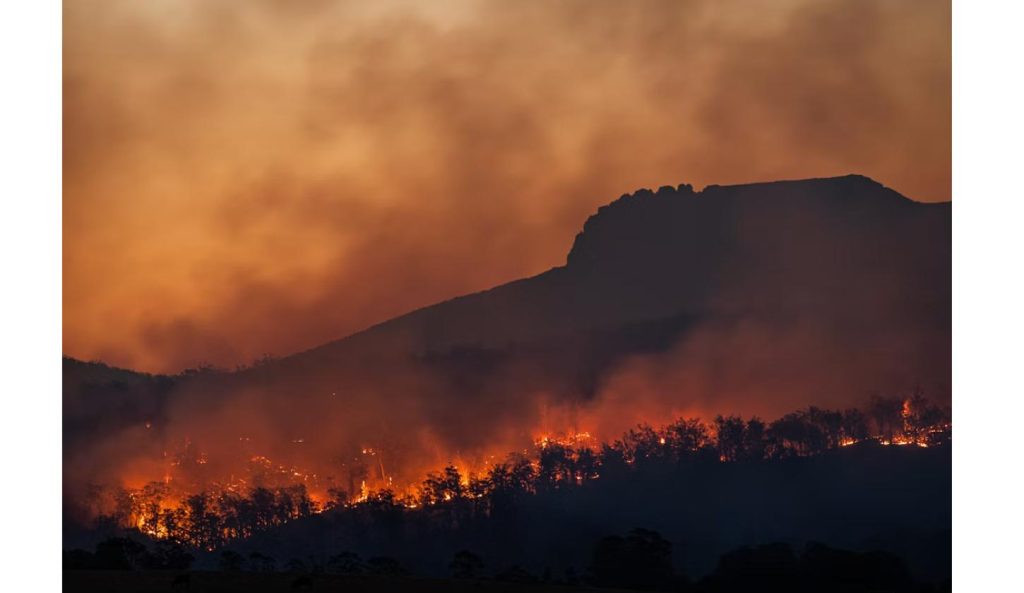

France and Spain wildfires have triggered one of southern Europe’s most severe crises in years. As of Saturday, more than 220,000 people across France and Spain have been evacuated or ordered to shelter in place as fast-moving fires tear through drought-stricken forests near Bordeaux and Madrid. French President Emmanuel Macron has mobilised the military, Spain has declared a national emergency, and firefighters on both sides of the border say they are facing conditions unlike anything they have seen before.
This article breaks down exactly what is happening in Spain and France right now, why these fires have become so extreme, the human stories emerging from the evacuation zones, and what officials are doing to bring the situation under control. We also answer the most common questions people are searching for as the crisis continues to develop.
Table of Contents
What’s Happening Right Now
The scale of the France and Spain wildfires crisis has grown by the hour. In France, around 200,000 people have been evacuated from the Gironde and Landes regions in the country’s south-west, with four towns near Bordeaux, home to more than 58,000 residents, evacuated as a precaution in the early hours of Saturday. In Spain, roughly 25,000 people have been told to evacuate and almost 40,000 have been told to stay indoors as a blaze west of Madrid, formed when three separate fires merged, grows “beyond the capacity” of firefighters to contain, according to regional officials.
In response to the France and Spain wildfires, Spain’s government has declared a national emergency, and Madrid’s regional president, Isabel Díaz Ayuso, described the situation as the “worst fire in the history of the region,” pointing to a “perfect storm” of high temperatures, relentless wind, and merging fire fronts.
Spain’s Wildfire Emergency Near Madrid
Part of the France and Spain wildfires crisis, the most dangerous blaze in Spain is burning roughly 50km (31 miles) from Madrid, moving toward the municipalities of Robledo de Chavela and Fresnedillas de la Oliva. Carlos Novillo, the Madrid regional government’s emergency management chief, told reporters the fire “is at its peak and is currently beyond the capacity of firefighters to contain,” adding that crews are shifting to defensive measures rather than direct attack.
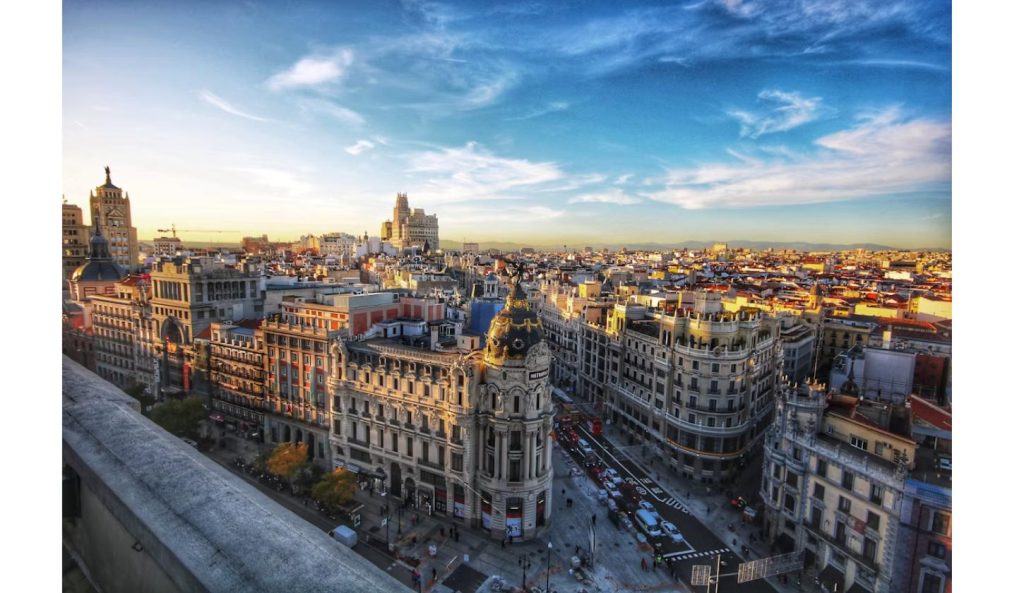
Spain’s Military Emergency Unit has been deployed to try to halt the flames, focusing on protecting areas near the town of El Escorial. Officials are also watching a separate blaze in nearby Ávila province, fearing it could merge with the Madrid fire. Interior Minister Fernando Grande-Marlaska said authorities were doing “everything we can” to keep the two fires apart.
Eight municipalities in the region, including Chapinería, Navas del Rey, Colmenar del Arroyo, Fresnedillas de la Oliva, Robledo de Chavela, Aldea del Fresno, Navalagamella, and Zarzalejo, have already been evacuated, while several other towns remain under lockdown. Officials estimate at least 6,000 hectares have burned in the Madrid region alone, with the Ávila blaze consuming almost 9,000 hectares. Spain’s Civil Guard has arrested one person and is investigating another over the Ávila fire, which local media say may have been caused by negligence involving heavy machinery.
France’s “XXL” Fire Threatening Bordeaux
In south-west France, roughly 200,000 people have been evacuated across the Gironde and Landes regions as the France and Spain wildfires continue to spread. Local prefect Sophie Brocas described the Gironde blaze as an “XXL fire” that has already burned through more than 19,000 hectares (46,000 acres) of forest and destroyed around 80 homes. Officials evacuated the entire Cap Ferret peninsula, a popular coastal tourist destination, with hundreds of people escaping by boat as flames swept through the area.
France’s Interior Minister Laurent Nuñez said the country had “never seen a convective fire of this magnitude,” noting that around 50 firefighters had been injured. He described the blaze as “self-sustaining” and shifting direction, moving east toward Bordeaux. Further south, a separate wildfire near Biscarrosse in the Landes region forced more than 23,000 people to evacuate homes, campsites, a nursing home, and a summer camp.
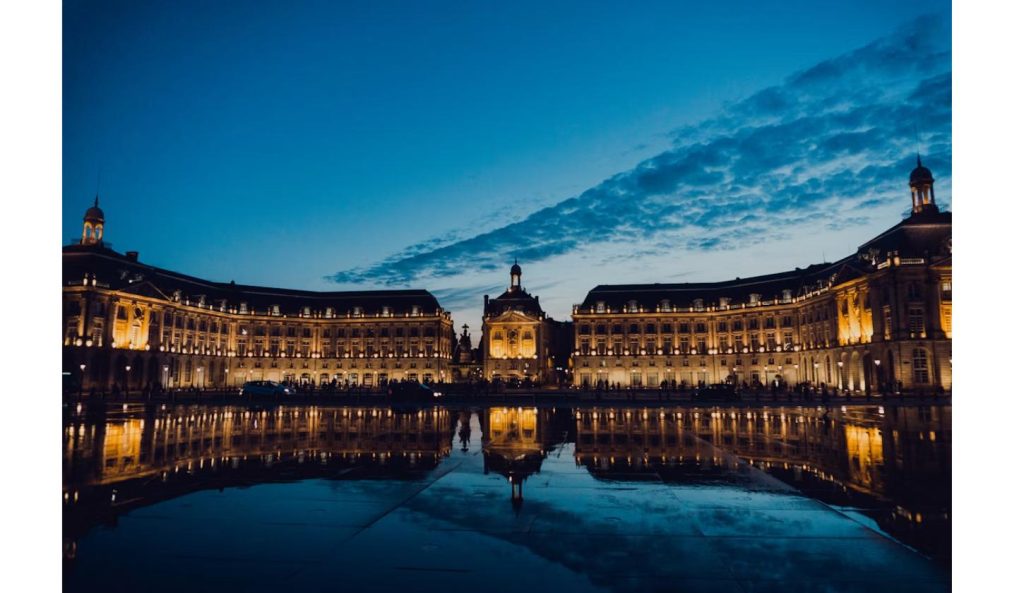
President Macron called the situation “very tense,” particularly in Gironde, and confirmed France has activated the European Union’s civil protection mechanism, bringing in reinforcements including two Black Hawk helicopters from the Czech Republic and Slovakia.
Voices From the Fire Zones
Behind the statistics of the France and Spain wildfires are thousands of families forced to flee with little warning. Ecologio Cabrera, 86, fled his village west of Madrid after his family tried to save their home by spraying it with garden hoses until firefighters arrived. “If you don’t run from it and you try to face it, it devours you,” he said from a sports hall being used as an evacuation shelter.
In Ávila province, the mayor of El Tiemblo described flames spreading roughly 20km (12 miles) in under half an hour. “It was horrific,” he said. In France, the mayor of Lège-Cap Ferret said the region had “faced extreme weather conditions for the last month and a half” with no rain and above-average temperatures, adding that neither residents nor firefighters had seen anything like it before.
Why Southern Europe Keeps Burning
These France and Spain wildfires are not an isolated event. Europe is the fastest-warming continent on Earth, heating at more than twice the global average since the 1980s, according to the EU’s Copernicus Climate Change Service. Hotter, drier conditions leave vegetation with less moisture, creating fuel that allows wildfires to ignite and spread far more quickly once a spark, whether from lightning or human activity, occurs. Strong winds then push flames across huge distances in a matter of hours.
According to the European Forest Fire Information System, wildfires have already burned more land across Europe this year than the annual average of the past two decades. The European Environment Agency has said plainly that climate change has increased forest fire risk across the continent, with the greatest danger expected in southern Europe, exactly where Spain and France are now battling these blazes.
How Governments Are Responding
Both governments have moved quickly to scale up their response to the France and Spain wildfires. France has deployed military personnel alongside firefighters and activated EU-wide support, while Spain’s Military Emergency Unit is working alongside more than 2,000 firefighting personnel and roughly 10 aircraft battling blazes west of the capital. The European Union has separately deployed additional aircraft and helicopters to support both countries battling the France and Spain wildfires as southern Europe grapples with repeated heatwaves and prolonged drought this summer.
Spanish Prime Minister Pedro Sánchez said people were “living through a dramatic situation” and urged citizens to take great care, while confirming he would visit the emergency coordination centre in the affected zone early Saturday morning.
Today’s Update
As of Saturday, the France and Spain wildfires situation remains dynamic. Evacuation totals have climbed steadily through the week, from roughly 140,000 to more than 220,000 across both countries, and officials warn the numbers could keep rising as embers travel for miles and fires jump across containment lines. Firefighters in Gironde are reorganising their response to try to stop the blaze from advancing further toward Bordeaux, while crews near Madrid remain focused on defensive measures rather than direct containment. For more on how this crisis fits into the broader picture, see our roundup of trending news this week.
Why This Story Matters
The France and Spain wildfires emergency is one of several major stories unfolding simultaneously this week, alongside political upheaval in India and shifting alliances around the world, all covered in our roundup of the top 10 stories shaping the world this week. It also fits a broader pattern documented in our earlier look at other developing stories shaping the world, where extreme weather, political unrest, and global instability increasingly intersect in the same news cycle.
What makes the France and Spain wildfires crisis notable is not just its scale, but its speed. Fires that were manageable on Wednesday became unstoppable within 48 hours, a pattern scientists say is becoming more common as heatwaves intensify across the continent. For readers wanting a quick daily digest of stories like this one, our 60-second roundup of trending news tracks these fast-moving situations as they develop.
As the France and Spain wildfires continue to dominate headlines across Europe, readers have been searching for quick, reliable answers about the scale of the evacuations and how long the France and Spain wildfires crisis might last. The FAQ section below addresses the most common questions based on the latest official updates.
Frequently Asked Questions
How many people have been evacuated in France and Spain?
More than 220,000 people have been evacuated or told to shelter in place because of the France and Spain wildfires, with around 200,000 evacuated in south-west France and roughly 25,000 ordered to evacuate near Madrid, plus almost 40,000 told to stay indoors.
What caused the wildfires in Spain and France?
Officials say the France and Spain wildfires were driven by an extended drought, record heat, and strong winds. Spanish authorities are separately investigating whether the Ávila blaze was sparked by negligence involving heavy machinery during fire restrictions.
Is Madrid in danger from the wildfires?
Within the broader France and Spain wildfires crisis, the fire burning closest to Madrid is around 50km from the capital and is currently considered beyond firefighters’ capacity to fully contain, though defensive efforts are focused on protecting nearby towns rather than the city centre itself.
Has anyone died in the wildfires?
No fatalities from the France and Spain wildfires have been confirmed as of Saturday, though around 50 firefighters have been injured in France and officials continue to warn residents in affected areas to evacuate immediately when ordered.
What is being done to fight the fires?
France has mobilised its military and activated the EU’s civil protection mechanism, bringing in helicopters from the Czech Republic and Slovakia. Spain has deployed its Military Emergency Unit alongside more than 2,000 firefighting personnel and around 10 aircraft, with additional EU aircraft supporting both countries.
Are the wildfires linked to climate change?
Scientists say climate change has measurably increased wildfire risk across Europe. The continent is warming more than twice as fast as the global average, and prolonged heat and drought are creating drier vegetation that allows fires to spread faster once ignited.
When will the wildfires be under control?
Officials have not given a firm timeline for containing the France and Spain wildfires. French authorities said the Gironde fire would not be extinguished by the end of Friday, and Spanish officials continue to warn conditions remain highly volatile heading into the weekend.



Pingback: Commonwealth Games 2026: 7 Stunning Storylines From Glasgow