
India is facing one of the biggest challenges to Prime Minister Narendra Modi’s government in over a decade, as a youth-led movement calling itself the Cockroach Janta Party has filled the streets of Delhi and spread to cities across the country.
Here is a deep, detailed breakdown of how the protest started, what the demonstrators are demanding, the crackdown and internet shutdowns that have followed, and exactly where the standoff with the government stands as of today.
Table of Contents
What Is the Cockroach Janta Party (CJP)?
The Cockroach Janta Party, widely known as CJP, is a youth-led protest movement rather than a registered political party. It takes its name from a remark by one of India’s top judges, who reportedly described unemployed young job seekers as “cockroaches,” a comment the movement’s supporters turned into a badge of defiance instead of an insult. It is led by founder Abhijeet Dipke and represented publicly by spokesperson Saurav Das. The Cockroach Janta Party protest has quickly become one of the most talked-about political stories in India.
What began as online satire among a few hundred young people has grown into what several analysts now call India’s biggest student mobilization in years, pulling in millions of followers on social media and tens of thousands of demonstrators onto the streets of Delhi.
How the Protests Began: The Exam Paper Leak Scandal
The anger driving the CJP traces back to India’s national exam system, specifically the cancellation of a national medical college entrance test in May after its question paper was leaked, a failure that affected roughly two million students who had spent months preparing. Opposition leader Rahul Gandhi has said there have been 152 exam paper leaks across the country over the past decade without a single conviction.
For millions of young Indians, competitive exams are the primary path to social mobility, so repeated leaks and cancellations have created a level of frustration that cuts across caste, class and gender lines, according to researchers who study the movement.
The Three Core Demands of the Protesters
According to CJP spokesperson Saurav Das, the movement says it will keep protesting peacefully until three demands are met: the resignation of Education Minister Dharmendra Pradhan, a guarantee that no criminal cases will be pursued against protesters, and compensation of roughly $105,000 for the families of students who died by suicide linked to exam paper leaks and cancellations.
The government has offered to set up fast-track courts to punish those responsible for leaks, but protest leaders have rejected this as insufficient, arguing that punishing individuals after the fact does nothing to fix an exam system they say remains vulnerable to leaks. The Cockroach Janta Party protest shows no signs of slowing down.
Sonam Wangchuk’s 26-Day Hunger Strike
At the center of the movement is engineer-turned-activist Sonam Wangchuk, who says he lost about 11 kilograms (24 pounds) during a 26-day hunger strike in support of the CJP’s demands. He ended his fast late on July 23, 2026, but student leaders have said the wider protests will continue regardless.
Wangchuk’s hunger strike helped draw national attention to the movement in its early weeks, turning what had largely been an online campaign into a physical, sustained presence at the protest site.
Monday’s March on Parliament: Tear Gas, Baton Charges and a Sit-In at Jantar Mantar
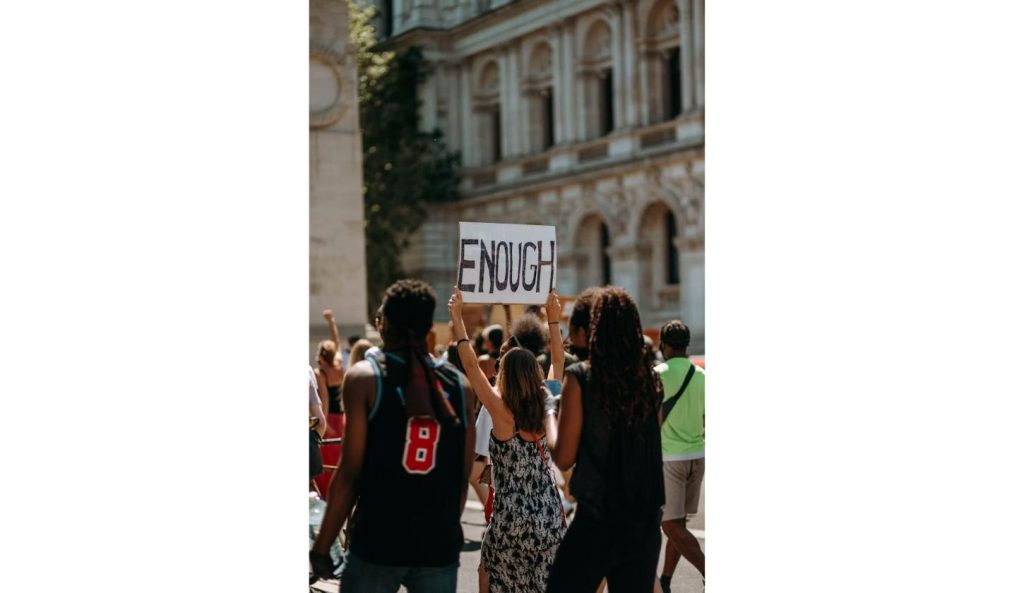
The movement’s defining moment came on Monday, July 20, 2026, when an estimated 50,000 people tried to march on India’s parliament in Delhi after police denied them permission to do so. Officers responded with tear gas and baton charges, and at least one protester told reporters he suffered fractures to his hand during the crackdown.
By Wednesday, more than 1,000 protesters remained camped at Jantar Mantar, the movement’s central Delhi protest site, despite intense heat and humidity, with volunteers organizing donations of food and water. Further unrest was reported Wednesday night as more than 10,000 people gathered at the site, according to the BBC’s on-the-ground coverage of the crackdown.
Modi Breaks His Silence: Fast-Track Courts and a Warning
Prime Minister Narendra Modi made his first public comments on the protests on Thursday, July 23, posting on social media platform X that “nothing is more important than the welfare and future of our youth,” and warning that “those who try to harm the future of our youth will not be spared.” He announced plans for fast-track courts to deliver swift punishment for exam paper leaks.
Cockroach Janta Party spokesperson Saurav Das dismissed the announcement as a “Band-aid,” arguing that with zero convictions over the past decade, faster courts alone do not amount to real accountability.
Government vs Opposition: Parliament Shutdown and Political Fallout
The protests have spilled directly into Indian politics. Opposition parties, led by Congress’s Rahul Gandhi, disrupted the ongoing monsoon session of parliament in solidarity with the Cockroach Janta Party and demanded that Modi apologize for failures in the education system, in addition to Pradhan’s resignation.
Government ministers have pushed back hard. Health Minister JP Nadda accused the opposition of exploiting the protests for political gain, while Defence Minister Rajnath Singh said students were being used as a political tool. A meeting between Nadda and Cockroach Janta Party leaders on Monday, the first contact in more than 60 days, ended without a breakthrough.
Internet Blackouts and Metro Shutdowns in Delhi
Authorities in Delhi have repeatedly shut down large parts of the city’s metro system, cut mobile internet access and curtailed business in the areas around the protest site, moves widely seen as an attempt to curb the demonstrations. The Delhi Metro Rail Corporation closed 16 to 17 stations for the third time in a single week heading into Friday.
The shutdowns have inconvenienced huge numbers of ordinary commuters beyond the protest movement itself, adding to public frustration even among residents who are not directly involved in the demonstrations.
Protests Spread Beyond Delhi: Mumbai, Bengaluru, Patna and More
What started at Jantar Mantar has since spread nationwide. Mumbai has seen three consecutive days of demonstrations, while solidarity protests have also taken place in Bengaluru, Chennai, Indore, Hyderabad, Patiala and Patna.
Analysts note that, unlike earlier protest movements against Modi’s government over issues such as citizenship law or farm laws, the Cockroach Janta Party’s support base is not tied to a single ideology, community or social group, which has made it harder for the ruling party to counter with its usual political playbook. The unrest is one of several other developing stories shaping the world this year.
Today’s Update (July 24, 2026): Talks With the Government and the Saturday Deadline
On Friday, July 24, senior government ministers held direct talks in New Delhi with two CJP leaders, the most significant engagement yet in the standoff. According to Cockroach Janta Party representatives, the government asked for time until Saturday afternoon to respond to the demand that Pradhan resign.
India’s federal cabinet was also scheduled to meet Friday to discuss draft legislation aimed at punishing those responsible for exam paper leaks, which the government hopes to push through parliament quickly. Cockroach Janta Party spokesperson Das confirmed that nationwide protests will continue in the meantime, telling reporters the movement is “not backing out.” The standoff remains one of the top 10 stories shaping the world this week.
Why This Movement Is Different From Past Indian Protests
Unlike ideological protests over citizenship or agricultural policy, researchers say the CJP’s grievance is fundamentally about administrative failure: whether the state can still guarantee a fair exam system that millions of young Indians rely on for opportunity. That framing has pulled in aspirational young Indians and their parents, rather than a narrower activist base tied to one cause. It is one of several fast-moving developments we track in our 60-second roundup of trending news.
The protests have also tapped into broader anxieties in India over a slowing economy and scarce jobs, with some experts comparing the current unrest to the anti-corruption movement of 2011 and the 1970s Nav Nirman agitation, both of which reshaped Indian politics well beyond their original triggers.
The Cockroach Janta Party protest is being closely watched by political analysts, foreign correspondents and ordinary Indians alike, since its outcome could shape how future governments respond to youth-led movements. Whatever happens after the Saturday deadline, the Cockroach Janta Party protest has already forced a national conversation about exam fairness that India’s leaders can no longer ignore.
Frequently Asked Questions About the Cockroach Janta Party Protest
What is the Cockroach Janta Party (CJP)?
The Cockroach Janta Party is a youth-led Indian protest movement, not a formal political party, demanding accountability over repeated national exam paper leaks. It is led by founder Abhijeet Dipke and spokesperson Saurav Das.
Why is it called the “cockroach” protest?
The name comes from a remark by one of India’s top judges, who referred to unemployed young job seekers as “cockroaches.” Protesters adopted the term as a symbol of defiance rather than treating it as an insult.
What do the protesters want?
The CJP says it has three demands: the resignation of Education Minister Dharmendra Pradhan, assurances that no criminal cases will be filed against protesters, and roughly $105,000 in compensation for families of students who died by suicide linked to exam paper leaks.
Who is Sonam Wangchuk?
Sonam Wangchuk is an engineer and activist who became a prominent face of the movement after a 26-day hunger strike, during which he says he lost about 11 kilograms. He ended his fast on July 23, 2026.
Has the government agreed to any of the demands?
As of today, July 24, 2026, the government has offered to create fast-track courts to punish those responsible for exam leaks but has not agreed to Pradhan’s resignation. Officials have asked protest leaders for time until Saturday afternoon to respond.
Is this the biggest protest against Modi’s government?
Several analysts and news outlets have described the CJP demonstrations as the biggest student mobilization in India in years and one of the most significant challenges Modi’s government has faced since taking office in 2014.
Where can I follow updates on the CJP protest?
The Viral Minute will keep tracking this story as it develops, alongside our regular roundups of other major stories shaping the world each week.