

Table of Contents
This new Ark of the Covenant discovery has archaeologists and history fans buzzing this week. A team just wrapped up another excavation season at one of the most debated sites in biblical history. At ancient Shiloh in the West Bank, researchers say this year’s digging turned up three finds that could reshape what we know about the resting place of the Ark of the Covenant before it ever reached Jerusalem.
What Is Shiloh, and Why Does It Matter for the Ark of the Covenant?
According to the Hebrew Bible, Shiloh served as home to the tabernacle, the portable sanctuary that housed the Ark of the Covenant, for more than 300 years before King David eventually brought worship to Jerusalem. That long biblical residency is exactly why any new find at the site tends to reignite public fascination with the Ark of the Covenant discovery search that has captivated historians, archaeologists, and casual history fans alike for generations.
The 3 Major Discoveries From the 2026 Excavation Season
This year marked the eighth consecutive excavation season led by the Associates for Biblical Research (ABR) at Shiloh, and the team says it walked away with three finds worth sharing publicly.
Ancient Canaanite Storage Jars Filled With Food
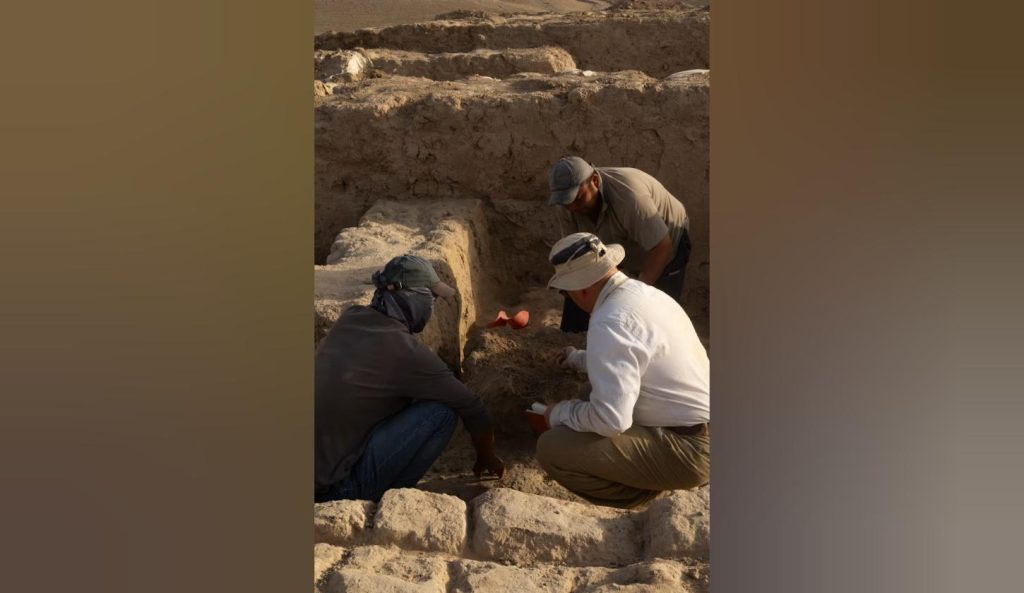
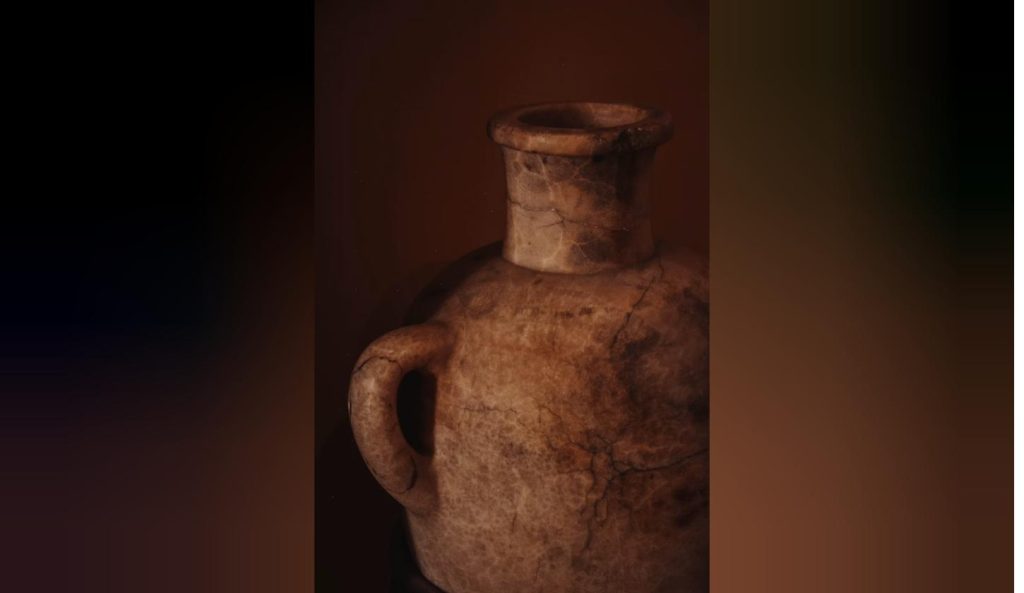
Digging toward bedrock in an area known as the favissa, excavators uncovered three restorable large storage jars dating to the Middle Bronze Age, meaning they predate the arrival of the Israelites at the site entirely. Two of the jars still contained charred olives, and the third held preserved wheat. Researchers now plan to run radiocarbon testing on the contents to pin down a more precise timeline for the layer where the jars were buried.
A Monumental Structure That Resembles the Tabernacle
Archaeologists also finished mapping the southern wall of a large structure they have been slowly uncovering for years. The building runs east to west and shares proportions with the tabernacle described in the Book of Exodus. Past seasons at the same structure turned up altar horns, ceramic pomegranates, and murex shells, the source of the rare blue dye once used for priestly garments, adding weight to the theory that this building once held real religious significance.
New Walls in Shiloh’s Ancient Gate Complex
In a separate section of the site, the team found new sections of wall belonging to Shiloh’s northern fortification system. The layout suggests the complex functioned as a bent-axis gate with multiple connected rooms, a design that offers fresh insight into how the ancient city defended itself and organized daily life near its entrance.
Who Is Searching for the Ark of the Covenant?
The excavation is led by Dr. Scott Stripling on behalf of the Associates for Biblical Research, a group that has worked in the highlands of Israel for more than four decades. This year alone, roughly 120 volunteers joined the dig despite ongoing regional tensions, and the team continues to rely on wet-sifting techniques and digital recording tools to catalog every fragment that comes out of the ground. It is a slow, patient hunt, but one that keeps producing enough evidence to keep the Ark of the Covenant discovery conversation alive year after year.
How This Discovery Fits a Bigger Pattern of Viral Science News
Ancient history has had a surprisingly good year in the headlines. Just weeks ago, a dinosaur skeleton nicknamed Gus sold at auction for a record $50.1 million, proving that discoveries from the deep past can still dominate modern news cycles. Around the same time, astronomers announced they had captured the birth of a rare magnetar in deep space, a reminder that whether the story is about the ancient world or the edge of the universe, audiences cannot get enough of a genuine mystery.
Why This Archaeological Discovery Is Going Viral Right Now
Part of the reason this Ark of the Covenant discovery spread so quickly comes down to timing and format. Short video clips summarizing the Shiloh dig started circulating across local news affiliates within hours of the original announcement, then spread further as national outlets picked up the story. That pattern lines up closely with how viral trends actually spread across social platforms today: a credible source breaks the news, regional accounts repackage it into bite-sized clips, and algorithms do the rest.
Frequently Asked Questions About the Ark of the Covenant Discovery
Has the Ark of the Covenant actually been found?
No. Archaeologists have not recovered the Ark of the Covenant itself. The recent finds at Shiloh are ruins, storage jars, and structural remains connected to the site where the Bible says the Ark once rested, not the artifact itself.
Where is Shiloh located?
Biblical Shiloh sits in the West Bank, north of Jerusalem. It has been excavated on and off for decades, with the current research season led by the Associates for Biblical Research.
Why do archaeologists think this building relates to the tabernacle?
The structure’s east-west orientation and its proportions closely match the dimensions described for the tabernacle in the Book of Exodus, and nearby digs have produced religious artifacts consistent with ceremonial use.
What happened to the Ark of the Covenant after it left Shiloh?
According to the biblical account, the Ark was eventually captured, later returned, and ultimately transported to Jerusalem under King David. Its final fate after that point remains one of history’s most debated open questions.
Who is funding and leading the Shiloh excavation?
The dig is organized by the Associates for Biblical Research, led by Dr. Scott Stripling, with logistical and financial support from volunteers and supporters who join seasonal excavation trips at the site. Anyone hoping to follow the next Ark of the Covenant discovery can track ABR’s future announcements directly through their official excavation updates.
How This Ark of the Covenant Discovery Compares to Past Digs at Shiloh
This is not the first time an Ark of the Covenant discovery claim has made headlines. Over the decades, researchers and treasure hunters have pointed to locations from Ethiopia to Egypt as possible resting places for the relic, though none of those claims have held up to scholarly scrutiny. What makes the current Ark of the Covenant discovery at Shiloh different is the methodology: every layer is documented, every artifact is cataloged, and every claim is tied to physical evidence rather than speculation. That slow, evidence-first approach is exactly why this Ark of the Covenant discovery has earned coverage from major outlets instead of being dismissed as another internet rumor.
Where can I follow updates on this Ark of the Covenant discovery?
The Associates for Biblical Research publishes official updates on its website whenever a new Ark of the Covenant discovery or significant find happens at Shiloh. Bookmarking that page is the simplest way to stay current on the next Ark of the Covenant discovery before it hits mainstream news. Fans following this Ark of the Covenant discovery closely say it is one of the most exciting biblical archaeology stories in years.
Why does this discovery matter to people outside archaeology?
this Ark of the Covenant discoveryBeyond religious and historical circles, stories like this Ark of the Covenant discovery resonate widely because they connect an ancient mystery to something tangible people can actually see: real jars, real walls, and real dirt pulled from the ground on camera. That combination of mystery and physical proof is part of why coverage of the discovery spread so quickly across news outlets and social feeds within a single week. This Ark of the Covenant discovery, in short, proves that ancient history can still go viral.
What tools do archaeologists use to verify a find like this?
Modern digs rely on far more than a shovel and a brush. Researchers use wet-sifting stations to catch tiny seeds, beads, and bone fragments that would otherwise be missed, along with digital recording systems that log the exact three-dimensional position of every artifact the moment it is uncovered. Radiocarbon dating helps confirm how old organic material really is, while photogrammetry creates detailed 3D models of walls and structures for future study. Together, these methods are what allow a team to move from a promising hole in the ground to a credible, peer-reviewable claim, which is exactly the kind of rigor behind this year’s Ark of the Covenant discovery.